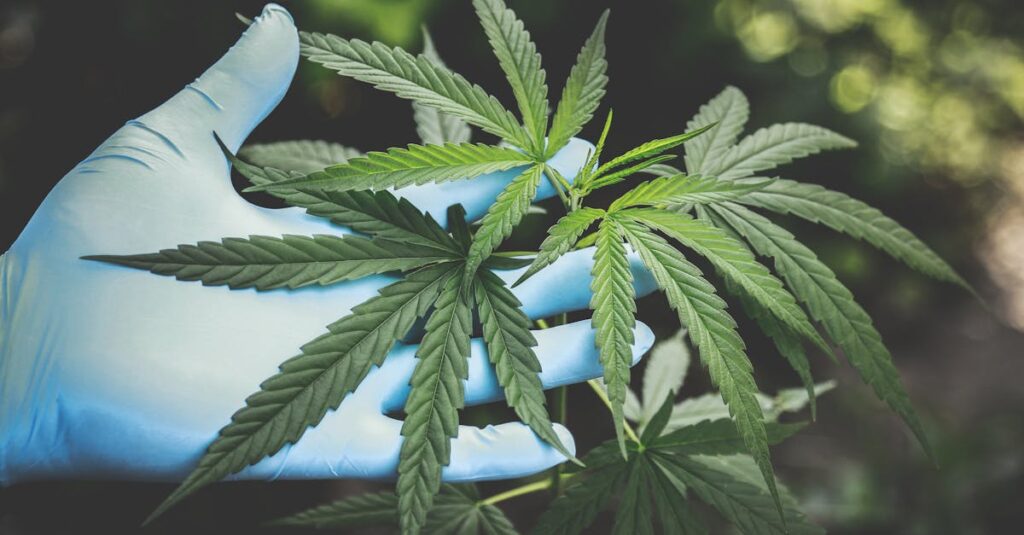
Hemp (Cannabis sativa) is a fast-growing, versatile crop that can be cultivated in Missouri’s Zone 6b-7a for fiber, grain, or other purposes. Missouri requires a state license for commercial hemp production — check with the Missouri Department of Agriculture for current regulations before planting.
1. Choose the Right Hemp Variety
- Variety Selection: For fiber, you’ll want to choose industrial hemp varieties, typically from Cannabis sativa. Varieties bred for fiber have taller, more slender stalks and are best suited for making textiles, ropes, or other materials. Varieties like Futura 75, USO 31, or Carmagnola are well-regarded for fiber production.
- CBD vs. Fiber Varieties: Ensure that you’re selecting a fiber-specific variety and not one meant for CBD or seed production, as those will have different characteristics that don’t optimize for fiber yields.
2. Planting Time
- Ideal Temperature: Hemp is a warm-season crop and requires soil temperatures of 60°F to 70°F for optimal germination and growth. In Missouri, this generally means planting in late April to early May (once the soil is warm enough and after the last frost).
- Frost-Free Period: Hemp requires around 120–160 frost-free days to grow successfully, so planting should coincide with the average last frost date (typically early April for Zone 6b-7a) and harvested before the first frost in the fall (around early to mid-October).
3. Site Preparation
- Soil Requirements: Hemp prefers well-drained, fertile soils with a pH of 6.0–7.5. Hemp can tolerate slightly acidic soils but thrives in neutral to slightly alkaline soils.
- Soil Depth: Hemp’s deep taproot requires loose, deep soil (at least 6–8 inches deep) to grow properly. If you have compacted soil, consider amending it with organic matter like compost or manure.
- Location: Hemp loves full sun, so pick a location that receives at least 8 hours of direct sunlight per day. It also needs good airflow to reduce the risk of disease, so make sure the site isn’t overcrowded.
4. Planting
- Seed Spacing: Plant hemp seeds about 1 inch deep in the soil. For fiber production, seeds should be spaced 1–3 inches apart in rows that are 30–40 inches apart.
- Row Density: For fiber, you should plant hemp densely to encourage tall, straight growth. A typical density for fiber hemp is about 1 million seeds per acre, or roughly 6–8 plants per square foot.
- Direct Sowing: Hemp is typically direct sown into the ground. Make sure to plant when the soil temperature reaches the required level for germination.
5. Watering and Maintenance
- Watering Needs: Hemp requires regular watering especially in the early stages of growth (until the roots are well-established). Hemp does well with 1–1.5 inches of water per week (whether by rainfall or irrigation).
- Irrigation: A drip irrigation system or soaker hoses can be an efficient way to provide consistent moisture without soaking the leaves or stems, which can lead to disease.
- Weeding: Keep the area weed-free, especially when the hemp is young. Hemp grows tall, but it is vulnerable to competition from weeds early on. Use mulching or weed management methods to control competition.
- Fertilization: Hemp is a nutrient-hungry crop. Apply a balanced fertilizer at planting, such as 10-10-10 or something with a higher nitrogen content for leafy growth. Depending on soil fertility, you may need to supplement with additional nitrogen or potassium later in the growing season.
6. Growth Stages and Flowering
- Vegetative Growth: After planting, hemp will quickly establish strong, deep roots and grow vigorously in the vegetative phase. During this time, the plants will put on height and begin developing leaves.
- Flowering Stage: Hemp typically starts flowering in mid-to-late summer (about 60–90 days after planting) when the days start to shorten. Male and female plants will appear (hemp is dioecious, meaning it has separate male and female plants), but for fiber production, you want to focus on avoiding pollination by removing male plants if you’re looking for pure fiber yields.
- Maturity: Fiber hemp plants will reach their maximum height and begin to mature in the late summer or early fall. They should be harvested when they’re 6–10 feet tall (depending on the variety) and before the seeds have fully matured.
7. Harvesting
- Timing: For fiber production, hemp should be harvested once the stalks are mature and the fibers are fully developed, but before the seeds ripen. This typically happens around 90–120 days after planting (late summer to early fall).
- Signs of Maturity: The stalks will turn from green to yellow or brown, and the fibers will feel firm to the touch. The lower leaves may start to drop, and the plant will begin to harden.
- Manual Harvesting: You can cut the plants at the base using a sickle, scythe, or hand tools, or use a small harvester if you have a large field. The key is to get the plants at their peak fiber maturity but before they turn overly woody.
8. Post-Harvest Processing
- Retting: After harvesting, the hemp stalks need to be retted (a process to separate the fiber from the woody core). Retting can be done by dew retting (laying the hemp on the field and letting natural microbes break down the outer layers) or water retting (soaking the plants in water for several days). For smaller-scale operations, dew retting is the most practical method.
- Breaking and Scutching: After retting, you will need to break the fibers (crushing the stalks to separate the fiber from the woody core) and scutch (remove the remaining woody bits). This process can be done by hand or using a hemp break and scutching tools.
- Combing and Spinning: Once the fiber is separated and cleaned, you can either spin it into yarn or use it for felting, textiles, or other products. Some people also use it for making hempcrete or other sustainable materials.
9. Considerations for Missouri’s Climate
- Growing Season Length: Missouri’s growing season can be slightly cooler than ideal for hemp, so it’s important to plant early in the spring (by mid-May) to ensure that you get a full growing season. Keep a close eye on your harvest window to avoid frost damage.
- Late-Season Cold: Missouri has unpredictable fall weather, so you may need to consider row covers or other methods of protecting plants from early frost if they are still maturing.
- Pests and Diseases: Hemp is relatively pest-resistant, but watch out for aphids, grasshoppers, and caterpillars. Mildew and mold can also be a risk if humidity is too high, so proper spacing for airflow is important.
10. Challenges
- Legal Considerations: Make sure you are complying with any local or state regulations regarding hemp cultivation. Missouri has specific rules around hemp production, including the need for a licensing agreement and compliance with THC levels (less than 0.3% THC).
- Weed Control: Hemp is susceptible to weeds early in its growth, so proper management techniques are key to successful growth. Use cover crops or pre-emergent herbicides if necessary.
By following these steps, you should be able to successfully grow hemp for fiber in Missouri’s climate. Remember that timing, soil quality, and moisture management are key to getting the best yield. With good care, you’ll be able to produce high-quality hemp fiber for various uses.