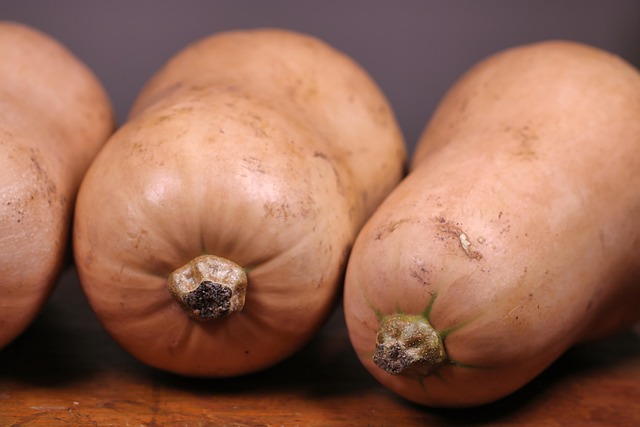
Growing butternut squash (Cucurbita moschata) in Missouri (Zone 6b-7a) is an excellent choice since this warm-season crop thrives in the hot summer months typical of your region. Butternut squash is not only delicious but also relatively easy to grow if you follow the right steps. Here’s a comprehensive guide for growing it in your area:
1. Choose the Right Variety
- Variety Selection: There are many butternut squash varieties, but most of them will do well in Missouri. Popular varieties include:
- Waltham Butternut: Known for its large, sweet, and smooth-textured flesh.
- Honey Bear: A smaller variety, ideal for small gardens or containers.
- North Georgia: A good option for producing larger, rich-flavored squash.
- Disease Resistance: Choose a variety with resistance to common squash pests like squash bugs and powdery mildew, especially in humid conditions.
2. Planting Time
- Soil Temperature: Butternut squash thrives in warm soil, so plant it after the danger of frost has passed and the soil temperature has warmed to 70°F or higher. In Missouri, this generally means planting in late May to early June, when nighttime temperatures are consistently above 50°F.
- Frost-Free Period: Squash requires a long frost-free period to fully mature, typically around 90–120 days from planting to harvest. Ensure your plants have enough time to grow before the first fall frost (around mid-October in Zone 6b-7a).
3. Site Preparation
- Soil Requirements: Butternut squash prefers well-drained, fertile soil with a pH between 6.0–7.5. Incorporate organic matter (compost or well-rotted manure) into the soil to improve fertility and structure.
- Soil Depth: Squash has a deep root system, so ensure the soil is loosened to a depth of at least 8–12 inches.
- Location: Choose a full-sun location, as squash needs at least 6-8 hours of direct sunlight per day to grow and produce fruit.
- Spacing: Squash vines can spread widely, so space your plants about 24–36 inches apart in rows that are about 48–60 inches apart. If space is limited, consider mounding or using raised beds to provide more room for spreading vines.
4. Planting
- Direct Sowing: Squash is best direct sown into the soil, rather than started indoors and transplanted.
- Seed Depth: Plant seeds 1 inch deep in the soil.
- Spacing: Plant 2–3 seeds per hole, and then thin the seedlings to leave the strongest one. This helps to ensure good spacing and air circulation.
- Mounding: If planting in rows, create small mounds of soil to plant your squash on. These mounds will help with drainage and keep the roots warmer.
- Pollination: Squash is a monoecious plant (it has separate male and female flowers), so make sure there are pollinators (like bees) available, or consider hand-pollinating if necessary.
5. Watering and Maintenance
- Watering Needs: Butternut squash needs regular watering, especially during dry periods. Keep the soil consistently moist but not waterlogged. Ideally, squash should receive about 1 inch of water per week.
- Watering Method: Water the base of the plant (not the leaves) to prevent fungal diseases. Using a drip irrigation system or soaker hoses is a great way to keep moisture consistent without wetting the foliage.
- Weeding: Keep the area around your squash plants free of weeds, especially when the plants are young. Use mulch around the base of the plant to suppress weeds and retain moisture.
- Fertilization: Butternut squash is a heavy feeder, so apply a balanced fertilizer (10-10-10) or one with higher potassium and phosphorus content early in the growing season. If your soil is nutrient-deficient, side-dress with organic compost or composted manure when the plants begin to vine and again as the fruit develops.
6. Growth and Flowering
- Vining Growth: Butternut squash is a vining plant, and it will begin to spread and grow horizontally after it establishes itself. Allow plenty of room for the vines to spread.
- Flowering: The plants will begin to flower about 6–8 weeks after planting. The male flowers will appear first, followed by the female flowers. Female flowers are typically located near the base of the plant and will develop into fruit once pollinated.
- Pollination: If you don’t have enough pollinators (like bees), you can hand-pollinate by transferring pollen from the male flower to the female flower using a small brush.
7. Pest and Disease Management
- Common Pests: Watch for squash bugs, cucumber beetles, and aphids. You can control them using row coversin the early season or organic insecticidal soap. If you see damage, act quickly to prevent further infestation.
- Powdery Mildew: Powdery mildew is a common fungal disease in squash plants, especially in humid conditions. To manage this, space plants adequately for air circulation, avoid overhead watering, and use organic fungicides or natural remedies like baking soda and horticultural oils.
- Squash Vine Borer: This pest can destroy the plant by burrowing into the vine. To prevent this, cover the base of the plant with aluminum foil or use natural repellents like diatomaceous earth.
8. Harvesting
- Signs of Maturity: Butternut squash is ready to harvest when the skin turns a deep tan color, and the rind is hard when you press it with a fingernail. The plant will begin to die back, and the vines will start to shrivel.
- Timing: Harvest the squash before the first frost, as freezing temperatures can damage the fruit. In Missouri, this typically means harvesting by late September to early October.
- How to Harvest: Use a sharp knife or pruning shears to cut the squash from the vine, leaving a couple of inches of stem attached to the fruit. Avoid pulling or twisting the squash, as this can damage the fruit.
- Curing: After harvesting, cure your butternut squash in a warm, dry area for about 10–14 days. This helps to toughen the skin and improve storage life.
9. Storage
- Storage Conditions: Butternut squash can be stored for several months in a cool (50–55°F), dry, and well-ventilated location, like a basement or root cellar. Avoid storing squash in the refrigerator, as this can cause it to spoil.
- Handling: Store squash stem-side up and make sure they don’t touch each other to prevent mold and rot. Check your squash regularly for any signs of deterioration.
10. Considerations for Missouri’s Climate
- Weather Variability: Missouri’s climate is generally favorable for butternut squash, but you may need to adjust planting and harvest times due to early or late frosts.
- Rainfall: In wetter years, ensure good drainage around your squash plants to prevent root rot. If the weather is dry, be diligent about watering.
11. Challenges
- Pests and Diseases: Squash pests like squash bugs, vine borers, and cucumber beetles can be a challenge, so regular monitoring is essential.
- Frost Risk: Since Missouri can experience early frosts, make sure to monitor the forecast in fall and harvest early if needed. You can extend your growing season by using row covers or cold frames.
By following these guidelines, you should have success growing butternut squash in Missouri. With the right timing, proper care, and attention to pests and diseases, you’ll be able to harvest delicious squash for the fall and beyond!