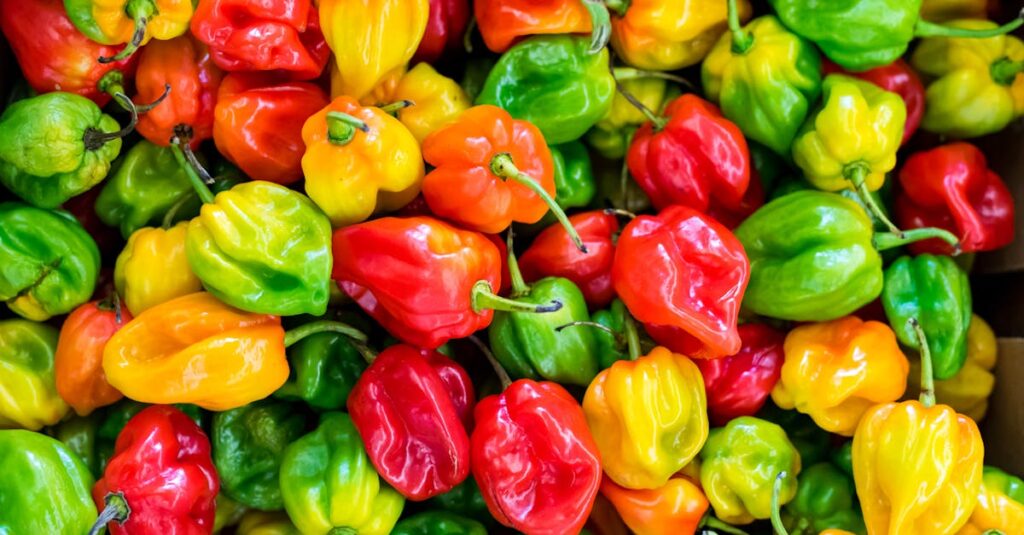
Peppers (Capsicum spp.) are well-suited to Missouri’s Zone 6b-7a, thriving in the region’s warm summers. They are available in a wide range of types, from mild bell peppers to hot specialty varieties, and are productive throughout the growing season with proper care.
1. Choose the Right Variety
- Variety Selection: There are many types of peppers to choose from, including:
- Bell Peppers: Sweet, mild peppers that come in various colors such as green, red, yellow, orange, and purple. Popular varieties include:
- ‘California Wonder’: A reliable, high-yield bell pepper.
- ‘Ace’: Known for early maturity and high productivity.
- Hot Peppers: Includes varieties like:
- ‘Jalapeño’: A popular medium-hot variety.
- ‘Habanero’: Known for its intense heat.
- ‘Serrano’: Another medium-hot variety used in cooking and salsa.
- Banana Peppers: Mild and tangy, often used for pickling.
- Bell Peppers: Sweet, mild peppers that come in various colors such as green, red, yellow, orange, and purple. Popular varieties include:
- Disease Resistance: Select varieties with resistance to common diseases like Verticillium wilt, bacterial leaf spot, and phytophthora blight, especially in Missouri’s humid environment.
2. Planting Time
- Indoor Starting: Peppers need a long growing season, so it’s best to start seeds indoors. Start pepper seeds indoors 8–10 weeks before the last frost (typically late February to early March in Zone 6b-7a).
- Outdoor Planting: Transplant pepper seedlings outdoors after the last frost date, typically mid to late May, when soil temperatures are consistently 70–85°F. Peppers are very sensitive to frost, so wait until the danger of frost has passed and the soil has warmed up.
- Frost-Free Period: Peppers require 60–90 frost-free days to mature, depending on the variety. Be mindful of the first frost date, which is usually in mid-October in Missouri.
3. Site Preparation
- Soil Requirements: Peppers prefer well-drained, fertile soil with a slightly acidic pH of 6.0–6.8. Amend the soil with organic compost or well-rotted manure to improve fertility and soil structure.
- Soil Depth: Peppers have deep root systems, so ensure the soil is loose and well-aerated to a depth of 8–12 inches.
- Location: Choose a full-sun location that gets at least 6–8 hours of direct sunlight per day. Peppers need consistent warmth and sunlight to thrive.
- Spacing: Space pepper plants 18–24 inches apart in rows that are 24–36 inches apart. Proper spacing helps with air circulation, reducing the risk of disease, and ensures each plant has enough room to grow.
4. Planting
- Transplanting: Transplant pepper seedlings outdoors once nighttime temperatures are consistently above 50°F and daytime temperatures stay around 70°F.
- Soil Temperature: Peppers are sensitive to soil temperatures below 60°F, so ensure the soil has warmed up before planting. Use black plastic mulch to warm the soil earlier in the season.
- Planting Depth: Plant pepper seedlings at the same depth as they were in their pots. If the seedlings are tall, you can plant them deeper to encourage stronger root growth.
- Hardening Off: Gradually acclimate indoor-started seedlings to outdoor conditions by hardening them off 7–10 days before planting. Start by placing them outside for a few hours a day and gradually increase the time over the week.
- Watering: Water seedlings thoroughly after planting to help them establish roots. After planting, water regularly to keep the soil consistently moist, but avoid waterlogging.
5. Watering and Maintenance
- Watering Needs: Peppers require consistent moisture, but they do not like to be waterlogged. Deep watering is best to encourage deep root growth. Aim to water 1–2 inches per week depending on weather conditions.
- Watering Method: Use a drip irrigation system or soaker hoses to water at the base of the plant, keeping water off the foliage to reduce the risk of fungal diseases. Avoid wetting the leaves, especially during the evening.
- Weeding: Keep weeds under control, as they compete for nutrients and water. Mulch around the plants with organic materials like straw, grass clippings, or wood chips to suppress weeds, conserve moisture, and maintain soil temperature.
- Fertilization: Peppers are heavy feeders. Apply a balanced fertilizer (such as 10-10-10) at planting time and again midway through the growing season. Side-dress with organic compost or a high-potassium fertilizer when the plants begin to fruit to promote healthy fruit development.
- Mulching: Mulch helps keep the soil evenly moist, keeps weeds down, and maintains optimal soil temperature. It also helps protect the shallow roots of pepper plants from the heat of the sun.
6. Growth and Flowering
- Plant Growth: Peppers are bushy plants that can reach heights of 18–24 inches for many varieties. As they grow, they will develop small white flowers that will eventually turn into fruit.
- Flowering: Peppers generally produce male and female flowers. After pollination (usually by bees or wind), the flowers will develop into fruit.
- Pollination: Peppers are self-pollinating, so you don’t need multiple plants for fruit production. However, having pollinators like bees around will improve fruit set. If you’re growing indoors or have limited pollinators, gently shake the plants or use a small brush to transfer pollen between flowers.
7. Pest and Disease Management
- Common Pests:
- Aphids: Small, green insects that can damage plants and transmit diseases. Control them with insecticidal soap or by using ladybugs.
- Colorado Potato Beetles: These pests can attack pepper plants. Hand-pick them off the plants or use organic insecticides.
- Thrips: These tiny insects can cause scarring on peppers. They can be controlled with neem oil or insecticidal soap.
- Spider Mites: These tiny arachnids can weaken the plants. Use miticides or neem oil to control them.
- Diseases:
- Bacterial Spot: This is a common disease that causes dark, water-soaked spots on leaves. Avoid overhead watering, practice crop rotation, and remove infected plants.
- Early Blight: This fungal disease causes spots on leaves and stems. Prevent this by using resistant varieties and ensuring good air circulation around the plants.
- Phytophthora Blight: A soil-borne disease that can cause wilting and fruit rot. Avoid planting peppers in areas where peppers were grown previously, and ensure good drainage.
- Verticillium Wilt: A soil-borne fungus that causes wilting and yellowing of leaves. Use resistant varieties and practice crop rotation.
8. Harvesting
- Timing: Bell peppers typically take 70–90 days from transplanting to harvest, while hot peppers can vary. Peppers are ready to harvest when they have reached full size and the color has developed.
- Signs of Maturity:
- Bell Peppers: Harvest when the peppers have reached the desired size and color (green, yellow, red, orange, etc.). They can be harvested when green, but the flavor is sweeter once they ripen to their final color.
- Hot Peppers: These should be harvested when they reach their full color (red, yellow, orange, etc.), depending on the variety. Hot peppers often mature faster than sweet peppers.
- How to Harvest: Use a sharp knife or pruning shears to cut the peppers from the plant, leaving about 1 inch of stem attached. Avoid pulling the fruit off to prevent damaging the plant.
9. Storage
- Short-Term Storage: Fresh peppers can be stored in the refrigerator for up to 1–2 weeks. Store them in the crisper drawer for the best freshness.
- Long-Term Storage: If you have an abundant harvest, peppers can be frozen, canned, or pickled.
- Freezing: For freezing, wash and remove stems, slice, and freeze them on a baking sheet before transferring to freezer bags.
- Canning/Preserving: Pickled peppers can be canned and stored in jars for several months.
10. Considerations for Missouri’s Climate
- Humidity: Missouri’s humid summer climate can encourage fungal diseases like powdery mildew. Prevent this by ensuring good air circulation and watering at the base of the plants.
- Heat Stress: Peppers are heat-loving plants but can suffer from excessive heat or drought. Provide consistent watering during dry spells, and consider shading the plants during the hottest part of the day if temperatures exceed 90°F.
- Frost Sensitivity: Peppers are frost-sensitive, so it’s crucial to harvest before the first frost, usually in mid-October.
11. Challenges
- Pests and Diseases: Common pests like aphids, hornworms, and caterpillars can harm pepper plants. Regular inspection and organic pest control are key to keeping your plants healthy.
- Weather Variability: Missouri’s unpredictable weather (with frequent rains or hot spells) can stress plants, so be prepared with proper watering practices and use mulch to help regulate soil temperature and moisture.
By following these guidelines, you can grow a bountiful crop of peppers in Missouri’s climate. Whether you prefer sweet bell peppers, spicy hot peppers, or pickling varieties, you can enjoy fresh, homegrown peppers all season long.