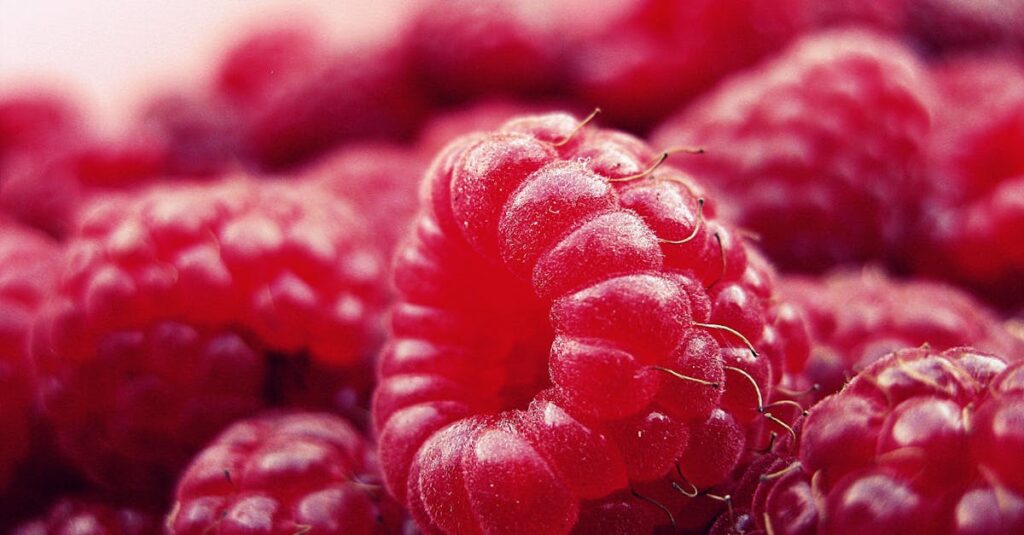
Growing raspberries in Missouri’s Zone 6a-7b can be highly rewarding, providing fresh, delicious fruit throughout the summer and fall. Raspberries thrive in well-drained soil, full sun, and benefit from proper pruning and maintenance. Here’s a comprehensive guide to successfully growing raspberries in Missouri.
1. Choose the Right Variety
Variety Selection:
There are two main types of raspberries:
- Summer-Bearing Raspberries – Produce fruit once per year, typically in June or July.
- ‘Latham’ – Cold hardy and disease-resistant.
- ‘Canby’ – Thornless and produces large, sweet fruit.
- Everbearing (Fall-Bearing) Raspberries – Produce two crops per year (early summer and fall).
- ‘Heritage’ – A reliable variety for fall production.
- ‘Caroline’ – Large, flavorful berries with good disease resistance.
Color Varieties:
- Red Raspberries – Most common, excellent flavor and productivity.
- Black Raspberries – Sweeter, used for jams and fresh eating.
- Purple Raspberries – Hybrid of red and black, vigorous growth.
- Golden Raspberries – Milder flavor, less common but a unique option.
2. Planting Time
- Best Planting Time: Early spring (March to April) when the soil is workable.
- Bareroot vs. Potted Plants: Bareroot plants establish well in early spring; potted plants can be planted later.
- Avoid Fall Planting: Raspberries need time to establish before winter.
3. Site Preparation
Soil Requirements:
- Well-drained, sandy loam soil with organic matter.
- pH range of 5.5–6.5 (slightly acidic).
- Avoid heavy clay soils unless amended with compost.
Sunlight:
- Full sun (at least 6–8 hours per day).
- Protection from strong winds to prevent cane breakage.
Spacing:
- Red and Yellow Raspberries: 2–3 feet apart in rows 8–10 feet apart.
- Black and Purple Raspberries: 3–4 feet apart in rows 8–10 feet apart.
4. Planting
- Dig a hole deep enough to accommodate the root system.
- Soak bareroot plants in water for 1–2 hours before planting.
- Spread roots out and cover with soil, keeping the crown 1–2 inches above ground.
- Water thoroughly after planting.
5. Watering and Maintenance
Watering:
- 1–2 inches per week, more during dry spells.
- Use drip irrigation or soaker hoses to avoid wetting leaves and reduce disease risk.
Mulching:
- Apply 2–4 inches of mulch (straw, wood chips) to conserve moisture and suppress weeds.
Fertilization:
- Spring: Apply balanced fertilizer (10-10-10) at a rate of 1–2 pounds per 100 square feet.
- Midseason: Side-dress with compost or additional fertilizer to encourage growth.
6. Growth and Flowering
- First Year: Primocanes (new shoots) develop, but may not fruit.
- Second Year: Floricanes (second-year canes) produce fruit and then die.
- Everbearing Types: Can fruit on primocanes in fall and floricanes in summer.
7. Pruning and Trellising
Pruning:
- Summer-Bearing: Prune dead floricanes after fruiting.
- Everbearing: For fall-only harvest, cut all canes to ground level in late winter.
- Black/Purple Varieties: Pinch primocanes at 24 inches to promote branching.
Trellising:
- Use T-posts and wire supports to keep canes upright.
- Space wires 3–4 feet apart for proper support.
8. Pest and Disease Management
Common Pests:
- Japanese Beetles – Handpick or use row covers.
- Spider Mites – Use insecticidal soap if infestation occurs.
- Raspberry Cane Borers – Prune affected canes below damage.
Common Diseases:
- Anthracnose: Fungal disease causing cane dieback; avoid overhead watering.
- Botrytis (Gray Mold): Affects fruit in humid conditions; improve air circulation.
- Root Rot: Avoid poorly drained soils.
9. Harvesting
- Timing: Late June–July (summer-bearing); August–October (fall-bearing).
- Signs of Maturity: Deep color, easily detaches from receptacle.
- Harvesting Technique: Pick every 2–3 days for peak ripeness.
10. Storage and Preservation
- Short-Term: Store in a breathable container in the fridge for 2–3 days.
- Freezing: Lay berries on a tray, freeze, then transfer to airtight bags.
- Canning/Jam Making: Excellent for homemade raspberry preserves.
11. Considerations for Missouri’s Climate
- Heat Stress: Provide afternoon shade if temps exceed 90°F.
- Humidity Management: Space plants properly to reduce fungal issues.
- Winter Protection: Mulch base with straw in late fall to protect roots.
By following these guidelines, you can enjoy a bountiful harvest of fresh, homegrown raspberries in Missouri’s climate. Whether you prefer sweet red varieties or unique golden raspberries, they make a great addition to any home garden.