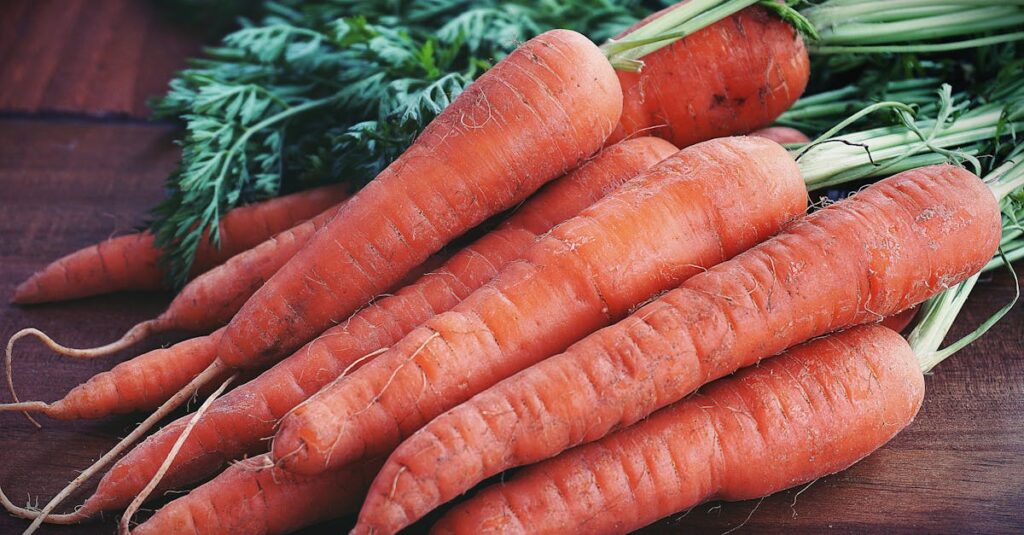
Carrots are a cool-season vegetable that grows well in Missouri’s Zone 6b-7a climate. They are perfect for home gardens and can be enjoyed fresh, cooked, or preserved. Here’s a guide to growing carrots in your region.
- Choose the Right Carrot Variety
Variety Selection:
- Imperator – Long, slender carrots that grow best in deep, loose soil.
- Danvers – Medium-sized carrots with good flavor, ideal for Missouri’s soil conditions.
- Nantes – Shorter, cylindrical carrots that are sweet and tender; great for smaller spaces.
- Chantenay – Thick, conical carrots that tolerate heavier soils.
- Planting Time
Ideal Temperature:
- Carrots are cool-season crops that prefer soil temperatures between 55°F and 75°F.
- In Missouri, plant carrots in early spring (late March to April) when the soil is warm enough and after the last frost.
- For a fall harvest, sow seeds in late July to early August.
Frost-Free Period:
- Carrots require about 60-80 days to mature, making them well-suited for Missouri’s frost-free growing period (typically early to mid-October for Zone 6b-7a).
- Site Preparation
Soil Requirements:
- Carrots prefer well-drained, loose, sandy loam soil.
- Soil pH should be between 6.0–6.8 (slightly acidic to neutral).
- Avoid compacted soil or clay as it can stunt root development. Amend the soil with compost to improve texture and drainage.
Sunlight:
- Full sun is ideal, with at least 6 hours of direct sunlight per day. Carrots can tolerate some partial shade, which may extend their growing season in hot weather.
Spacing:
- Space carrot seeds 1-2 inches apart in rows 12-18 inches apart for optimal root growth. Thin seedlings to 2-4 inches apart once they emerge to allow for healthy root development.
- Planting
Seed Spacing:
- Plant carrot seeds about ¼ inch deep.
- For optimal growth, keep seeds 1-2 inches apart in rows spaced 12-18 inches apart.
Direct Sowing:
- Carrots are direct sown, so plant them directly in the garden when the soil reaches the required temperature for germination (around 55°F).
- Watering and Maintenance
Watering Needs:
- Carrots require consistent moisture, especially during germination and early root development.
- Aim for 1-1.5 inches of water per week, adjusting for rainfall. Water deeply to encourage strong root growth.
Irrigation:
- Use drip irrigation or soaker hoses to ensure even moisture distribution while preventing water from splashing onto the foliage, which can cause disease.
Weeding:
- Keep the area weed-free, especially when the carrots are young. Weeds can compete with carrots for nutrients and moisture. Mulching can help suppress weeds and retain soil moisture.
Fertilization:
- Apply a balanced fertilizer, like 10-10-10, at planting time.
- Side-dress with compost or an organic fertilizer midseason to support healthy growth.
- Growth Stages and Maturity
Vegetative Growth:
- Carrots will quickly establish strong, deep roots and begin to grow foliage. The plant’s focus will be on leaf and root development in the early stages.
Maturity:
- Depending on the variety, carrots will be ready to harvest in 60-80 days. Carrots are typically harvested when the root is ½ inch to 1 inch in diameter.
- Harvesting
Timing:
- Harvest carrots when they reach your desired size, usually 60-80 days after planting.
- They can be harvested small or left in the ground to grow larger, but avoid leaving them too long to prevent them from becoming woody.
Signs of Maturity:
- Carrots are ready when their shoulders are visible above the soil. The root should be firm and colored based on the variety (e.g., orange, purple, or yellow).
Manual Harvesting:
- Gently pull the carrots from the soil, being careful not to damage the roots. If the soil is compacted, loosen it with a garden fork before pulling.
- Post-Harvest Processing
Storage:
- Carrots can be stored in the refrigerator for up to 2-3 weeks.
- For longer storage, store them in a cool, humid place, or freeze them after blanching.
Preservation:
- Carrots can be preserved by canning, freezing, or making carrot puree for future use.
- Considerations for Missouri’s Climate
Growing Season Length:
- Missouri’s climate is favorable for carrots, but it’s essential to plant early in the spring to avoid the hottest summer months and maximize growing time before the first frost.
Late-Season Cold:
- Carrots can tolerate light frost, and a layer of mulch can help protect them during cool fall nights. However, if heavy frost is expected, harvest them early.
Pests and Diseases:
- Common pests include aphids, root maggots, and carrot flies. Use row covers to protect your crop from pests.
- Ensure proper soil drainage to prevent root rot and avoid overhead watering to reduce fungal diseases.
- Challenges
Weed Control:
- Carrots are sensitive to weeds, especially in the early stages. Use mulch or other weed management methods to keep competition low.
By following these steps, you can successfully grow a productive crop of carrots in Missouri’s Zone 6b-7a climate. Whether fresh, frozen, or canned, your homegrown carrots will add delicious flavor and nutrients to your meals! Whether used fresh, frozen, or canned, homegrown carrots add delicious flavor and nutrition to any meal.