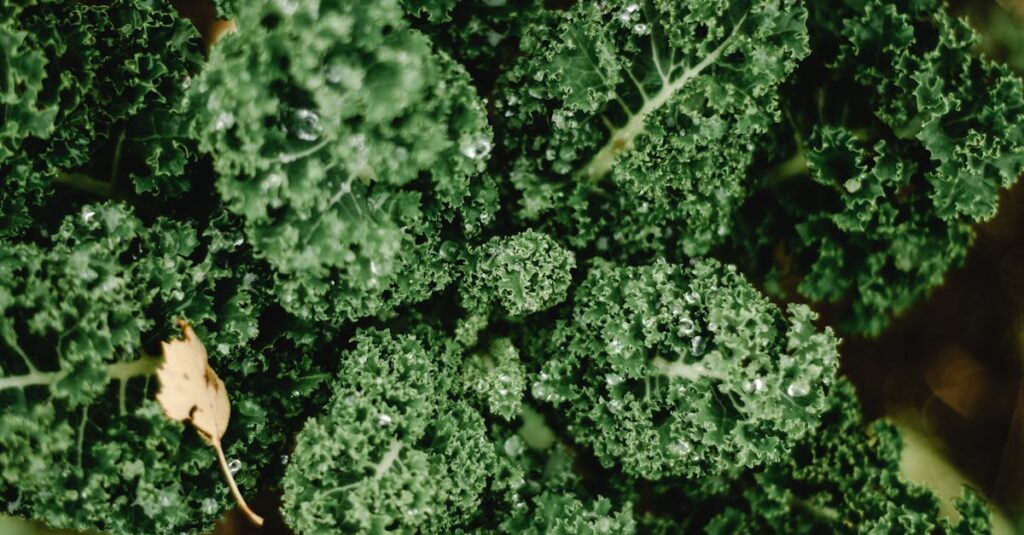
Kale is a nutrient-dense, cool-season leafy green that thrives in Missouri’s climate. It is easy to grow, withstands frost, and can even be harvested throughout the winter with proper protection. Whether you’re growing it for fresh salads, sautés, or smoothies, kale is an excellent addition to any garden.
1. Choose the Right Kale Variety
Variety Selection:
- Curly Kale (Dwarf Blue Curled, Winterbor) – Classic frilly leaves with a mild flavor.
- Lacinato Kale (Dinosaur Kale, Toscano) – Dark green, bumpy leaves with a slightly sweet, nutty taste.
- Red Russian Kale – Flat, reddish-green leaves with a tender texture and mild flavor.
- Siberian Kale – Very cold-hardy with broad, thick leaves.
- Premier Kale – A fast-growing variety ideal for early and late plantings.
2. Planting Time
Ideal Temperature:
- Kale grows best in cool weather between 45°F–75°F.
- It takes 50–75 days to mature, depending on the variety.
Spring Planting:
- Direct sow or transplant 3–5 weeks before the last frost (late February to early March).
- If starting indoors, plant 6–8 weeks before the last frost and transplant after hardening off.
- Harvest throughout spring and early summer.
Fall Planting:
- Direct sow or transplant in late July to early September for a fall harvest.
- Kale thrives in cool autumn temperatures and improves in flavor after a light frost.
Winter Growing:
- With row covers or cold frames, kale can survive Missouri’s winters.
- Some varieties, like Siberian Kale, can overwinter with mulch protection.
3. Site Preparation
Soil Requirements:
- Prefers well-drained, fertile soil rich in organic matter.
- Soil pH should be 6.0–7.0.
- Amend with compost or aged manure before planting to improve fertility.
Sunlight:
- Requires full sun (6+ hours per day) but tolerates partial shade, especially in summer.
Spacing:
- Space plants 12–18 inches apart in rows 18–24 inches apart.
- If harvesting young leaves, space closer (8–10 inches apart) for more compact growth.
4. Planting
Starting Indoors:
- Start seeds 6–8 weeks before the last frost in seed trays.
- Transplant when seedlings have 3–4 true leaves and are 4–6 inches tall.
Direct Sowing:
- Plant seeds ¼ to ½ inch deep, spacing them 4 inches apart.
- Thin seedlings to the desired spacing once they reach 3–4 inches tall.
5. Watering and Maintenance
Watering Needs:
- Kale needs 1–1.5 inches of water per week.
- Consistent watering keeps leaves tender and prevents bitterness.
Irrigation:
- Use drip irrigation or soaker hoses to maintain moisture and prevent soil splash.
Weeding:
- Keep the area weed-free, as weeds compete for nutrients.
- Apply mulch to suppress weeds and retain soil moisture.
Fertilization:
- Apply a balanced fertilizer (10-10-10) at planting.
- Side-dress with nitrogen-rich fertilizers (like compost tea or fish emulsion) every 3–4 weeks to encourage leaf production.
6. Growth Stages and Maturity
Germination:
- Kale seeds sprout in 5–10 days, depending on soil temperature.
Leaf Development:
- Young plants establish a strong root system and begin producing leaves.
Maturity:
- Kale is ready to harvest 50–75 days after planting.
- Leaves can be harvested individually or as a full plant.
7. Harvesting
Timing:
- Begin harvesting once leaves reach 4–6 inches long.
- Continue harvesting outer leaves while allowing the inner leaves to grow.
Signs of Maturity:
- Healthy, firm leaves with vibrant color.
- Avoid harvesting yellowing or tough leaves.
Manual Harvesting:
- Cut individual leaves at the base of the stem, starting with the oldest ones.
- Avoid cutting the growing center to keep the plant productive.
8. Post-Harvest Processing
Storage:
- Store fresh kale in the refrigerator for up to 1–2 weeks in a plastic bag.
- Keep leaves dry to extend shelf life.
Preservation:
- Kale can be blanched and frozen for long-term storage.
- It can also be dried for kale chips or powdered for smoothies.
9. Considerations for Missouri’s Climate
Growing Season Length:
- Kale thrives in spring, fall, and winter.
- Avoid planting in mid-summer unless in partial shade.
Cold Hardiness:
- Frost improves kale’s flavor, making it sweeter.
- Protect plants from deep freezes with mulch or row covers.
Pests and Diseases:
- Aphids, cabbage worms, and flea beetles are common pests.
- Use floating row covers to prevent infestations.
- Rotate crops each season to prevent soilborne diseases.
10. Challenges
Bolting in Heat:
- Kale may bolt (flower) in hot weather (above 80°F).
- Provide afternoon shade or plant in early spring and fall to avoid this.
Pest Management:
- Hand-pick caterpillars or use BT (Bacillus thuringiensis) to control infestations.
- Use neem oil for aphids if needed.
Bitter Leaves:
- Kale can develop bitterness in hot, dry conditions.
- Keep plants well-watered and harvest younger leaves for the best flavor.
By following these steps, you can successfully grow kale in Missouri’s Zone 6b-7a. With proper care, you’ll enjoy a steady harvest of nutritious, flavorful greens throughout multiple seasons.
With proper care, kale delivers a steady supply of nutritious, flavorful greens across multiple seasons — and improves in sweetness after a light frost.