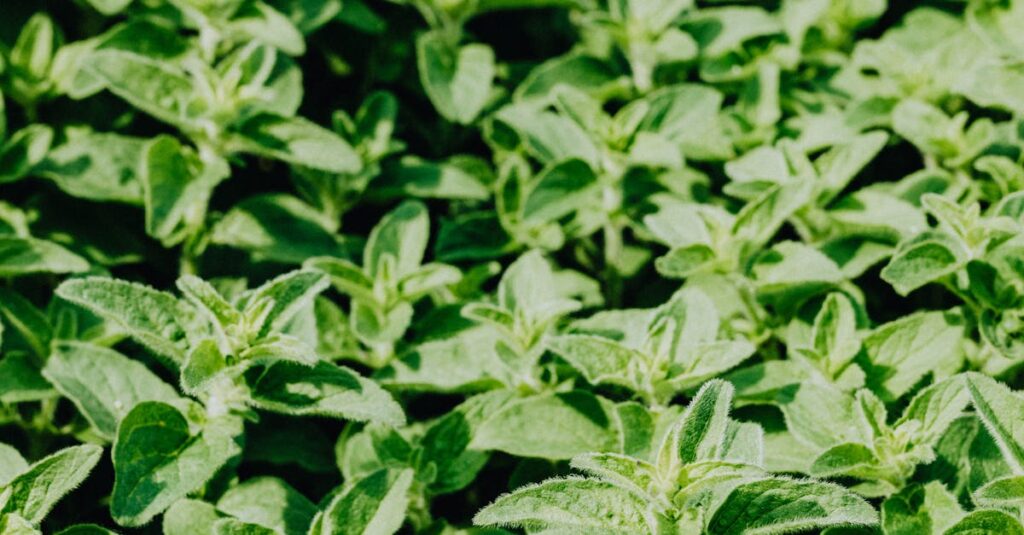
Oregano is a hardy, perennial herb that thrives in Missouri’s hot summers and mild winters. Known for its robust flavor, it’s a staple in Mediterranean and Italian dishes. Oregano is low-maintenance, making it ideal for Missouri gardeners looking for a reliable herb for cooking or even medicinal uses.
1. Choosing the Right Variety
Best Oregano Varieties for Missouri:
- Greek Oregano – The most popular variety for culinary use. Known for its strong flavor.
- Italian Oregano – A milder variety that’s often used in sauces and Italian cuisine.
- Mexican Oregano – With a citrusy, slightly spicy flavor, this variety is great for Mexican dishes.
- Golden Oregano – A decorative variety with golden foliage, though it’s milder in flavor.
- Common Oregano – The hardiest variety and typically the most versatile in the kitchen.
2. Planting Time
Best Planting Window:
- Indoor Starting: Start seeds indoors 8-10 weeks before the last frost in early to mid-March.
- Outdoor Planting: Transplant seedlings outdoors after the last frost, typically late May to early June, once the soil has warmed to 70°F or more.
Tip: Oregano is cold-hardy and can be planted early in the season in Missouri, as it can withstand light frost once established.
3. Site Preparation
Sunlight Needs:
- Full sun (6-8 hours of direct sunlight per day) is ideal for growing oregano.
- The herb thrives in warm, sunny locations, making it a perfect addition to Missouri’s summer gardens.
Soil Requirements:
- Well-drained, slightly alkaline soil with a pH of 6.0 to 8.0.
- Oregano does not do well in wet, clay-heavy soils, so amend the soil with organic compost to improve drainage if necessary.
Tip: Plant oregano in loamy or sandy soil that’s rich in organic matter for the best results.
4. Planting
Spacing:
- Space oregano plants about 12-18 inches apart to allow for growth and good air circulation.
- Rows should be spaced 18-24 inches apart to avoid overcrowding and promote healthy development.
Planting Depth:
- When transplanting, plant oregano at the same depth as it was in the pot.
- For seedlings, make sure the top of the root ball is level with the soil surface.
Watering Immediately after planting to help settle the soil and establish roots.
5. Watering & Maintenance
Watering Needs:
- Oregano is drought-tolerant once established, but needs regular watering during its early growth stages.
- Water deeply and less frequently, ensuring the soil is well-drained and doesn’t stay soggy. Aim for 1–2 inches of water per week depending on weather conditions.
Tip: Water at the base of the plant to avoid wetting the foliage, which can promote fungal diseases like mildew.
Pruning:
- Prune oregano regularly to prevent it from becoming woody or leggy.
- Trim back after each harvest, cutting stems back by a third to promote new growth and to maintain a bushy plant.
6. Mulching & Winter Protection
Winter Considerations for Zone 6b-7a:
- Oregano is cold-hardy in Missouri’s Zone 6b-7a and can survive the winter outdoors.
- In cold weather, mulch the base of the plant with straw or leaves to protect the roots from freezing.
Summer Mulching:
- Use organic mulch like straw or grass clippings around oregano to help retain moisture, suppress weeds, and keep the soil temperature consistent.
7. Companion Planting
Good Companions:
Tomatoes – Oregano can improve the flavor and growth of tomatoes while deterring some pests.
Peppers – Oregano helps keep pests away from pepper plants.
Cabbage Family (Brassicas) – Oregano can help repel pests like cabbage moths.
Carrots, Lettuce, and Spinach – Companion herbs that work well with oregano in a mixed garden.
Avoid planting near:
Mint – Oregano and mint compete for nutrients and space, making it difficult to grow both near each other.
8. Common Problems & Solutions
Pests:
- Aphids – Use insecticidal soap or spray them off with a strong jet of water.
- Spider Mites – Remove affected leaves or treat the plant with neem oil.
- Leafhoppers – These can transmit diseases to oregano. Neem oil or insecticidal soap can help control them.
Diseases:
- Powdery Mildew – Avoid overhead watering, maintain good airflow around plants, and remove infected leaves.
- Root Rot – Prevent by ensuring oregano is planted in well-drained soil and not overwatered.
9. Harvesting
Harvest Time:
- Oregano is ready for harvest once the plant has developed several sets of leaves and is about 6–8 inches tall.
How to Harvest:
- Harvest the top leaves of the plant regularly to encourage bushier growth.
- Use sharp scissors or pruning shears to cut stems and leaves, leaving some foliage behind to allow the plant to continue growing.
Tip: The best time to harvest oregano is just before it flowers, as this is when the flavor is most concentrated.
10. Drying & Storage
Drying Oregano:
- Hang sprigs upside down in a warm, dry, and well-ventilated area.
- Drying time: Typically 1-2 weeks, depending on humidity and air circulation.
Storage:
- Store dried oregano in airtight containers in a cool, dark place.
- Oregano will maintain its best flavor for 6-12 months after drying.
Tip: Oregano can also be frozen by chopping the leaves and placing them in freezer-safe bags or containers for long-term storage.
11. Missouri-Specific Considerations
Heat & Humidity:
- Oregano thrives in Missouri’s hot summers and full sun, though it may require some shade during the hottest part of the day if temperatures exceed 90°F for prolonged periods.
Cold Hardiness:
- Oregano is cold-hardy in Missouri’s Zone 6b-7a. It will come back each year, even in winter, as long as the plant is mulched and protected from severe cold snaps.
12. Summary of Key Tips
✔ Plant in full sun with well-drained, slightly alkaline soil.
✔ Space plants 12-18 inches apart for good airflow.
✔ Water deeply but infrequently, allowing the soil to dry between waterings.
✔ Prune regularly to maintain a bushy, healthy plant.
✔ Harvest before flowering for the best flavor.
✔ Protect with mulch during winter and in periods of extreme heat.