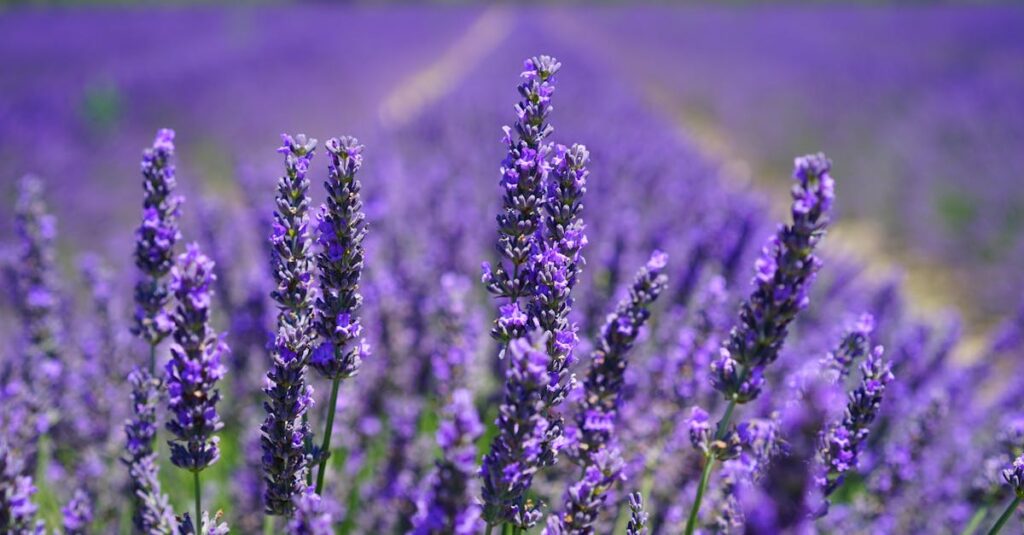
Lavender is a drought-tolerant, perennial herb known for its fragrant flowers and essential oils. While it prefers Mediterranean-like conditions, it can be grown successfully in Missouri with proper soil preparation and winter protection.
1. Choosing the Right Variety
Missouri’s humid summers and cold winters make variety selection crucial.
Best Lavender Varieties for Missouri:
English Lavender (Lavandula angustifolia) – Best for fragrance and culinary use.
- ‘Hidcote’ – Deep purple flowers, compact (20″).
- ‘Munstead’ – Cold-hardy, early blooming.
- ‘Vera’ – High oil content, hardy.
Lavandin (Lavandula x intermedia) – Hybrid, larger plants, stronger scent.
- ‘Grosso’ – High oil production, long stems.
- ‘Phenomenal’ – Best for humid climates, cold-hardy.
Avoid:
- French Lavender (Lavandula dentata) – Not cold-hardy.
- Spanish Lavender (Lavandula stoechas) – Struggles with Missouri’s winter.
2. Planting Time
Best Planting Window:
- Spring Planting: April–May (after frost).
- Fall Planting: Early September (risky in Zone 6b-7a).
Tip: Plant in spring to allow strong root development before winter.
3. Site Preparation
Sunlight Needs:
- FULL sun (6–8+ hours daily).
- Avoid shade—lavender thrives in hot, dry conditions.
Soil Requirements:
- Well-drained, sandy or loamy soil with pH 6.5–7.5.
- Add lime if soil is too acidic.
- Amend heavy clay with sand, gravel, and compost to improve drainage.
Tip: Raised beds or mounded planting rows help prevent root rot in Missouri’s wet springs.
4. Planting
Spacing:
- English Lavender: 18–24 inches apart.
- Lavandin: 24–36 inches apart.
- Rows: 2–3 feet apart for airflow.
Planting Depth:
- Plant at the same depth as in the pot.
- Do not bury the crown—leads to rot.
Water Immediately after planting.
5. Watering & Maintenance
Watering:
- Young plants: Water 1–2 times per week until established.
- Mature plants: Water only during drought.
- Avoid overhead watering to prevent fungal diseases.
Pruning:
- Spring: Remove winter-killed branches.
- After flowering (Mid-Summer): Cut back 1/3 of the plant to promote bushy growth.
- Avoid cutting into woody stems—lavender struggles to regrow from old wood.
6. Mulching & Winter Protection
Winter Considerations for Zone 6b-7a:
- Mulch with straw or pine needles after the first hard frost.
- Use row covers or burlap for wind protection.
- Ensure excellent drainage—wet winter soil kills lavender.
Summer Mulching:
- Use light-colored gravel to reflect heat and prevent weeds.
- Avoid organic mulch like wood chips—it traps moisture.
7. Companion Planting
Good Companions:
Echinacea (Coneflower) – Attracts pollinators.
Thyme, Rosemary, Sage – Similar growing needs.
Yarrow – Drought-tolerant, attracts beneficial insects.
Avoid planting near:
Mint & Basil – Prefer moist soil.
Hostas & Ferns – Too much shade and moisture.
8. Common Problems & Solutions
Pests:
- Aphids & Spittlebugs – Rinse off with water or neem oil.
- Root Rot – Caused by wet soil; improve drainage.
Diseases:
- Fungal Diseases (Botrytis, Powdery Mildew) – Ensure good airflow; apply organic fungicide if needed.
9. Harvesting
Harvest Time: June–August (peak bloom).
How to Harvest:
- Cut flower spikes when first 1–2 flowers open.
- Use sharp scissors or pruners, leaving 2–3 inches of stem.
For Essential Oils: Harvest in late morning when oil concentration is highest.
10. Drying & Storage
Drying Lavender:
- Hang bundles upside down in a dark, dry place.
- Drying time: 7–14 days.
- Store in airtight containers for culinary use or sachets.
11. Missouri-Specific Considerations
Heat & Humidity:
- Use Lavandin varieties like ‘Phenomenal’ for humidity resistance.
- Space plants for airflow to prevent fungal issues.
Cold Hardiness:
- English lavenders are hardiest but still need mulching in winter.
- If in doubt, grow in pots and overwinter indoors.
Heavy Rain:
- Elevate soil or use raised beds to prevent root rot.
12. Summary of Key Tips
✔ Plant in full sun with well-drained soil.
✔ Space plants 18–36 inches apart for airflow.
✔ Water deeply but infrequently—lavender hates wet feet.
✔ Prune after flowering to maintain shape.
✔ Protect from wet winter soil with mulch & good drainage.
✔ Harvest when flowers just begin to open.