Composting is a fantastic way to improve soil health and boost your vegetable garden’s productivity. For zone 6b-7a, which includes parts of Missouri, the climate is characterized by cold winters and hot, humid summers. Understanding the best composting methods for this area can significantly enhance soil fertility and structure.
Here’s a comprehensive guide on composting for a vegetable garden in your region:
Compost Ingredients (Brown vs. Green Materials)
Compost consists of two main categories of materials: green (nitrogen-rich) and brown (carbon-rich). A healthy compost pile needs a balance between these materials, typically in a 3:1 ratio (browns to greens).
- Green Materials (Nitrogen-Rich)
- Fresh grass clippings
- Vegetable scraps (peels, stems, etc.)
- Coffee grounds
- Manure (from herbivores like cows, horses, rabbits)
- Plant trimmings (from non-diseased plants)
- Alfalfa hay or clover
- Brown Materials (Carbon-Rich)
- Dry leaves (the most common brown material)
- Straw
- Shredded newspaper or cardboard (be sure to shred these for better decomposition)
- Sawdust (from untreated wood)
- Wood chips
- Corn stalks and cobs
- Pine needles (in moderation, as they are acidic)
Composting Methods
There are several methods for composting, and your choice will depend on available space, time, and effort you’re willing to put in.
Traditional Composting (Pile or Bin Method)
Set-up:
Create a pile or bin at least 3 feet wide and tall. A bin can be a three-sided structure (made from wood, wire mesh, or plastic), or it could be a simple mound.
- Location: Choose a spot that is well-drained, not too shady, and easily accessible for turning and adding materials.
- Mixing: Regularly mix the pile every few weeks to speed up decomposition. If the pile is too dry, add water; if too wet, add more browns.
- Temperature: For faster decomposition, the temperature should rise to around 130–160°F (54–71°C). You can check the temperature with a compost thermometer.
Bin Composting:
A more contained version of traditional composting. You can use plastic, wood, or metal bins to keep the compost neat and contained. The benefit of this method is better temperature control, which can help speed up the process.
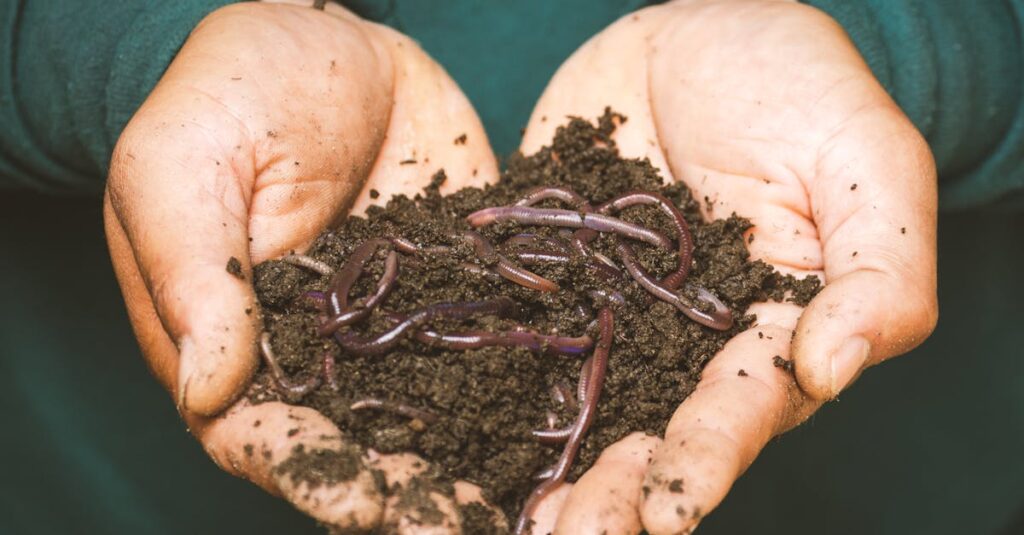
- Vermicomposting: If you don’t have a lot of space, consider using worms to compost. Vermiculture uses red wiggler worms to break down organic matter into rich compost. It works well indoors or in a small outdoor space, but it’s more of a slow process compared to regular composting.
- Tumbler Composting: A compost tumbler is a sealed drum that can be rotated, which helps aerate the pile and speed up the composting process. While the process is faster, it requires more work to turn the drum regularly.
- Sheet Mulching (Lasagna Composting): In this method, you layer organic materials such as leaves, cardboard, and grass clippings directly onto the soil, which decomposes over time. This is ideal for areas where you want to add compost directly without turning a pile.
Composting Timeframe
- Hot Composting: This method works best if you have a large pile and are regularly mixing it. If done properly, hot composting can break down materials in about 2-4 months.
- Cold Composting: If you don’t turn your compost regularly or if your pile is small, it can take a year or more for the compost to break down fully.
Moisture and Aeration
- Moisture: Your compost pile should be kept moist, similar to a damp sponge. It should never be too dry, as this will slow down decomposition. Too much water can lead to anaerobic conditions (bad odor), so ensure the compost is well-drained.
- Aeration: Aerating the pile ensures oxygen gets to the microbes that break down organic matter. Turn the pile with a garden fork or shovel every 2-3 weeks. If using a compost tumbler, rotate it regularly.
Managing Temperature
- Hot Composting: In zone 6b-7a, hot composting is achievable because temperatures often reach the 130°F+ range in the summer. If you are composting through the colder months, try to insulate your pile with straw bales or place it in a sunny location to keep it warm.
- Cold Composting: During colder months, composting slows down, but it still continues, especially if the pile is sufficiently large (3 feet x 3 feet minimum).
When is Compost Ready to Use?
Your compost is ready when it looks like dark, crumbly soil and smells earthy. It should have no recognizable chunks of materials in it. This can take anywhere from 2 months to a year depending on how well you maintain the pile.
Using Compost in Your Vegetable Garden
Once your compost is ready, use it to enrich your vegetable garden:
- Soil Amendment: Mix compost into your soil to improve structure, moisture retention, and fertility. You can mix 1-3 inches of compost into the soil each year.
- Mulching: Spread compost around your plants as mulch. This will help retain moisture, suppress weeds, and provide slow-release nutrients to your vegetables.
- Side-Dressing: During the growing season, side-dress your vegetables with compost by applying a layer around the plants’ base. This helps to feed the plants over time.
What NOT to Compost
Some materials should never be added to your compost pile due to potential problems:
- Meat, Dairy, and Fats: These attract pests and take too long to break down.
- Weeds with Seeds or Roots: These can survive in the compost and spread back into your garden.
- Diseased Plants: These can spread pathogens, even after composting.
- Invasive Plants: They may not break down in the compost, potentially causing harm when you use the compost in your garden.
Composting in the Winter
In colder climates like zone 6b-7a, composting can slow down during the winter, but you can still maintain it by:
- Building the pile high: A larger pile will help retain more heat, allowing the composting process to continue.
- Using Insulation: Insulate your compost pile with straw bales or tarp covers to keep the heat inside.
- Winter Turning: If possible, continue turning the pile on warmer days to help keep air circulating and prevent the pile from becoming too compact.
Special Tips for Zone 6b-7a
- Seasonal Adjustments: Due to colder winters, try to compost more during the spring and summer months when you have the most yard waste and kitchen scraps. Use the winter for slow composting.
- Carbon-Rich Materials: In Missouri’s humid climate, carbon-rich materials like leaves and straw are abundant. These should be used in the fall, where they can be stockpiled for composting.
By following these composting principles and methods tailored for zone 6b-7a, you’ll be able to generate rich, nutritious compost that will provide your vegetable garden with the organic matter it needs to thrive.