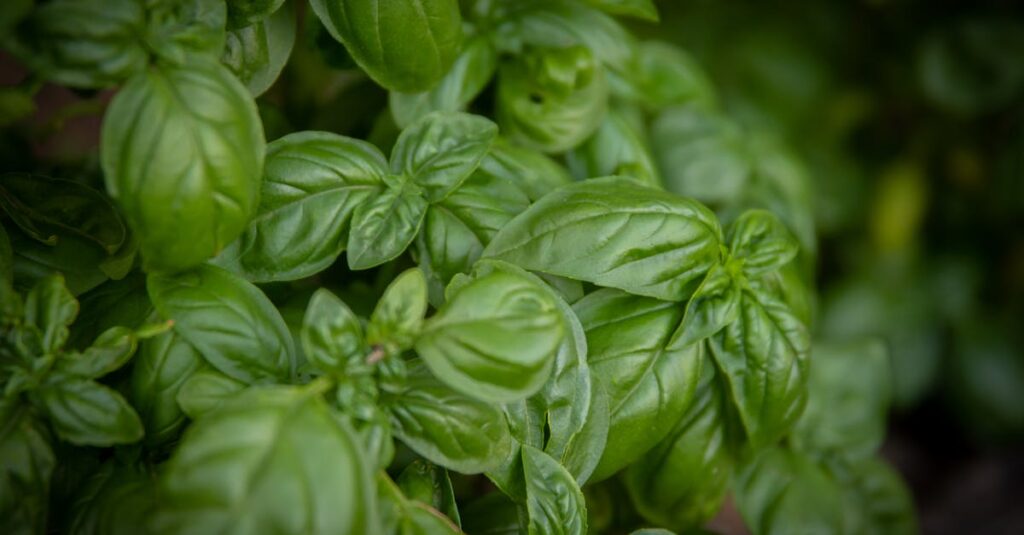
Basil is a warm-season herb commonly used in cooking, especially in Mediterranean, Italian, and Southeast Asian cuisines. It’s easy to grow and thrives in warm temperatures, making it a great herb for Missouri’s summer. However, basil is sensitive to frost and needs careful planning for both the growing season and winter protection.
1. Choosing the Right Variety
Best Basil Varieties for Missouri:
- Genovese Basil – The classic variety for pesto and other Italian dishes.
- Sweet Basil – The most commonly grown variety, fragrant and flavorful.
- Thai Basil – A variety with a slightly spicy flavor, used in Asian cooking.
- Purple Basil – Adds color to the garden with purple stems and leaves.
- Lemon Basil – Has a citrusy aroma, great for teas or desserts.
Avoid: Varieties not suited to the heat or humidity of Missouri summers.
2. Planting Time
Best Planting Window:
- Indoor Starting: Start seeds indoors 6-8 weeks before the last frost, typically in early to mid-March.
- Outdoor Planting: Transplant basil seedlings outdoors after the last frost, typically late May to early June, once the soil has warmed to 70°F or more.
Tip: Basil is frost-sensitive, so it’s important to wait until nighttime temperatures are consistently above 50°F before planting outdoors.
3. Site Preparation
Sunlight Needs:
- Full sun (6-8 hours of direct sunlight per day).
- Basil needs consistent warmth and sunlight to grow well.
Soil Requirements:
- Well-drained, fertile soil with a pH of 6.0 to 7.5.
- Basil does best in loamy, slightly sandy soil that is rich in organic matter.
Tip: Amend soil with compost or well-rotted manure to improve fertility and ensure good drainage.
4. Planting
Spacing:
- Space basil plants about 10-12 inches apart in rows that are 12-18 inches apart to ensure good air circulation and prevent disease.
Planting Depth:
- Plant basil at the same depth as it was in its seed tray or pot.
- For seedlings, ensure that the top of the root ball is level with the soil surface.
Watering Immediately after planting to help settle the soil and establish roots.
5. Watering & Maintenance
Watering Needs:
- Water basil regularly to keep the soil consistently moist, but not soggy.
- Basil prefers deep, infrequent watering over shallow, frequent watering.
- 1-2 inches of water per week, depending on weather conditions.
Tip: Water at the base of the plant to avoid getting the leaves wet, which can increase the risk of fungal diseases.
Pruning:
- Pinch off flower buds regularly to prevent the plant from going to seed and to encourage more leaf production.
- Harvest basil by cutting the top leaves or tips of the plant. Cut just above a pair of leaves to stimulate bushier growth.
6. Mulching & Winter Protection
Winter Considerations for Zone 6b-7a:
- Basil is frost-sensitive, so it’s typically treated as an annual in Missouri.
- If growing basil in containers, bring them indoors when temperatures dip below 50°F.
- If grown in-ground, basil will die off with the first frost.
Summer Mulching:
- Use organic mulch like straw, grass clippings, or leaves to help retain moisture and prevent weeds.
- Keep mulch away from the base of the plant to avoid the risk of rot.
7. Companion Planting
Good Companions:
Tomatoes – Basil improves the flavor and growth of tomatoes while also repelling some pests.
Peppers – Similar needs for sunlight, water, and spacing.
Oregano, Thyme, and Parsley – Herbs that share similar growing conditions.
Marigolds – Can help repel pests like aphids and whiteflies.
Avoid planting near:
Rue – Basil does not grow well with rue.
Cabbage family plants (kale, broccoli, etc.) – Basil may inhibit their growth.
8. Common Problems & Solutions
Pests:
- Aphids – Use insecticidal soap or spray them off with a strong jet of water.
- Whiteflies – Apply neem oil or use sticky traps to manage populations.
- Caterpillars – Hand-pick and remove any visible caterpillars or use Bt (Bacillus thuringiensis).
Diseases:
- Downy Mildew – Keep basil well-spaced for good air circulation and avoid overhead watering.
- Powdery Mildew – Prevent by watering at the base and avoiding wetting foliage, especially in the evening.
9. Harvesting
Harvest Time:
- Late spring to late summer once the plant is mature and has many leaves.
How to Harvest:
- Harvest basil leaves regularly to promote bushier growth.
- Use sharp scissors or pruning shears to cut stems and leaves.
- Always leave some leaves on the plant for continued growth.
Tip: Harvest before the plant flowers to get the best flavor. Flowering signals the plant’s energy going into seed production rather than leaf production.
10. Drying & Storage
Drying Basil:
- Hang sprigs upside down in a warm, dry, and well-ventilated area.
- Drying time: 1–2 weeks, depending on humidity and air circulation.
Storage:
- Store dried basil in airtight containers in a cool, dark place.
- Use within 6-12 months for best flavor. Basil loses its potency once dried.
Tip: Basil can also be frozen for long-term storage. Simply chop the leaves and place them in a freezer-safe bag or container.
11. Missouri-Specific Considerations
Heat & Humidity:
- Basil thrives in heat but is sensitive to high humidity. It is best to plant in areas with good air circulation to avoid mildew and other fungal diseases.
Cold Hardiness:
- Basil is not cold-hardy and will die off with the first frost. For Zone 6b-7a, it is recommended to grow basil as an annual or in containers that can be brought indoors during cold weather.
12. Summary of Key Tips
✔ Plant in full sun with well-drained, fertile soil.
✔ Space plants 10–12 inches apart for proper airflow.
✔ Water deeply but infrequently and avoid wetting the foliage.
✔ Pinch off flower buds to keep the plant productive.
✔ Harvest regularly before the plant flowers for best flavor.
✔ Bring plants indoors or grow in containers to protect them from frost.