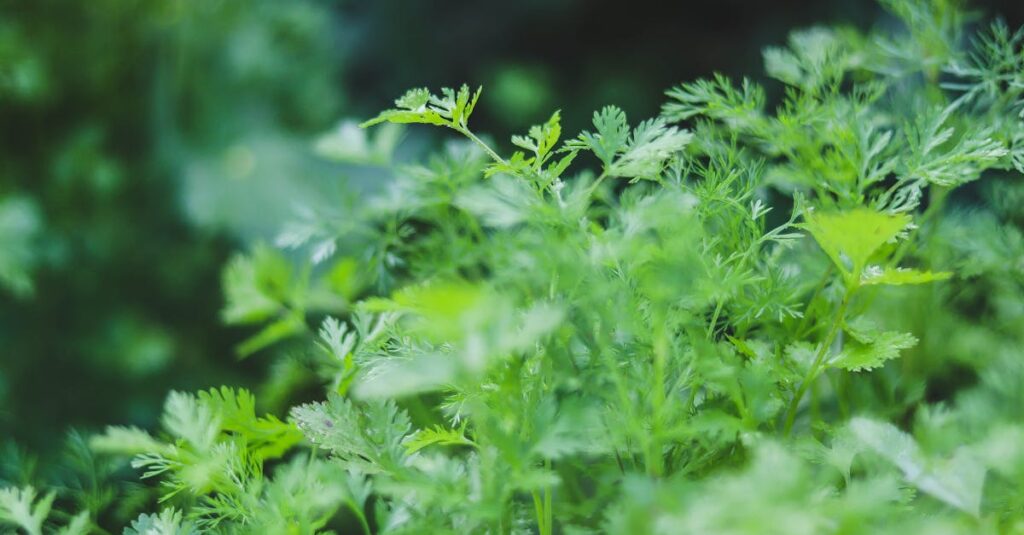
Cilantro, also known as fresh coriander, is an herb that grows well in Missouri’s climate, but it requires specific care to thrive. Both the leaves (cilantro) and the seeds (coriander) are edible, making it a versatile addition to any garden.
1. Choosing the Right Variety
Popular Cilantro Varieties for Missouri:
- ‘Santo’ – A popular, bolt-resistant variety that is well-suited for Missouri’s growing season.
- ‘Slow Bolt’ – Another great choice for preventing early bolting, which is a common issue in hot climates.
- ‘Confetti’ – A compact variety, ideal for smaller garden spaces.
2. Planting Time
Best Planting Window:
- Indoor Starting: Cilantro can be started indoors 3-4 weeks before the last frost date. In Zone 6b-7a, this typically means starting seeds indoors in late March to early April.
- Outdoor Planting: Cilantro should be direct-seeded outdoors after the last frost, which typically occurs around mid to late May in Missouri. Cilantro prefers cooler temperatures for growth, so it’s best to plant early in the season or in fall for a second harvest.
3. Site Preparation
Sunlight Needs:
- Cilantro prefers full sun but can tolerate light shade, especially during the hottest part of the day.
- Aim for a location that receives at least 6 hours of direct sunlight.
Soil Requirements:
- Cilantro prefers well-drained soil with a slightly acidic to neutral pH, between 6.2 to 6.8.
- Soil preparation: Enrich the soil with organic compost to improve soil structure and fertility.
- Soil depth: Cilantro has a shallow root system, so ensure the soil is loose and not compacted, at least 6 inches deep.
4. Planting
Spacing:
- Plant cilantro seeds 1/4 inch deep.
- Space cilantro plants about 6-8 inches apart, as they can grow into bushy plants.
- If you’re planting multiple rows, space the rows 12-18 inches apart.
Direct Seeding vs. Transplanting:
- Cilantro is best direct-seeded into the garden since it doesn’t transplant well.
- Thin seedlings to 6-8 inches apart to allow room for growth once they sprout.
5. Watering & Maintenance
Watering Needs:
- Cilantro requires consistent moisture, especially while the seeds are germinating.
- Water deeply, about 1 inch per week, to encourage strong roots.
- Avoid waterlogging as cilantro doesn’t like standing water. Well-draining soil is key.
Pruning:
- Pinch back the flowers if you want to delay bolting and promote continued leaf growth. Cilantro tends to bolt quickly as the weather heats up.
6. Companion Planting
Good Companions:
Tomatoes – Cilantro can help deter aphids, which are common pests for tomatoes.
Spinach – Cilantro and spinach grow well together, both benefiting from partial shade during hot months.
Chili Peppers – Cilantro’s strong scent helps deter pests that can affect chili peppers.
Basil – Helps deter insect pests and grows well alongside cilantro.
Avoid planting near:
Carrots – Cilantro can stunt carrot growth if planted too closely.
Dill – Dill and cilantro don’t always do well together, as they can compete for nutrients.
7. Pests and Diseases
Common Pests:
- Aphids – Can be controlled with insecticidal soap or by introducing natural predators like ladybugs.
- Caterpillars – The larvae of butterflies can damage cilantro. Hand-pick or use organic pesticides.
- Leaf Miners – Use organic pesticides or remove infected leaves to manage these pests.
Diseases:
- Fungal Wilt: Avoid over-watering and ensure the soil drains well to prevent fungal issues like damping-off.
- Bolting: Cilantro is sensitive to heat and may bolt quickly in hot weather. To slow this process, plant in cool seasons (early spring and fall) or choose heat-resistant varieties.
8. Harvesting
Harvest Time:
- Cilantro leaves are ready for harvesting 3-4 weeks after sowing, depending on the growing conditions.
- For coriander seeds, let the plant bolt and allow the seeds to dry on the plant before harvesting.
How to Harvest:
- For leaves, cut the outer leaves as needed, leaving the inner leaves to continue growing. This will ensure a steady harvest.
- For seeds, cut the entire plant when the seeds turn brown and dry. Allow the plant to dry completely before collecting the seeds.
9. Drying & Storage
Drying Cilantro:
- To preserve cilantro, dry the leaves by hanging them upside down in a cool, dark place with good airflow.
- Coriander seeds can be harvested and left to dry for a few days before storing.
Storage:
- Fresh cilantro can be stored in the fridge for about 1-2 weeks.
- For longer storage, freeze cilantro in ice cube trays with water or oil, or store dried cilantro in an airtight container for up to 6 months.
- Coriander seeds should be stored in an airtight container in a cool, dry place.
10. Winter Protection
Winter Considerations:
- Cilantro is a cool-season herb, but in Zone 6b-7a, it may not survive the winter unless protected.
- If planting for a fall harvest, consider covering your cilantro with row covers or bring the plants indoors once the temperature drops.
- Cilantro typically bolts once the weather warms up, so it’s best grown during cooler months.
11. Missouri-Specific Considerations
Heat and Bolting:
- Cilantro in Missouri’s hot summer temperatures is prone to bolting (flowering and setting seed) quickly, especially when temperatures exceed 75°F.
- To prevent bolting, consider planting in early spring or fall when temperatures are cooler.
- You can try shade cloths or container gardening to reduce heat stress during the summer.
Pests and Diseases:
- Missouri’s humid climate can increase the likelihood of fungal diseases, so ensure your cilantro is well-spaced and has good airflow.
12. Summary of Key Tips
✔ Plant cilantro in cool seasons, preferably in early spring or fall.
✔ Water consistently, but avoid over-watering.
✔ Thin plants to allow for adequate spacing, ensuring good airflow.
✔ Harvest leaves before flowering for the best flavor.
✔ Mulch or shade the plants in summer to reduce bolting.