A complete guide to growing elderberries (Sambucus nigra and Sambucus canadensis) in Missouri (Zone 6b-7a), focusing on the best practices for planting, care, and harvesting.
1. Choose the Right Variety
Elderberries are native to North America and do well in Missouri’s climate, thriving in Zone 6b-7a. There are several varieties to choose from, depending on your needs.
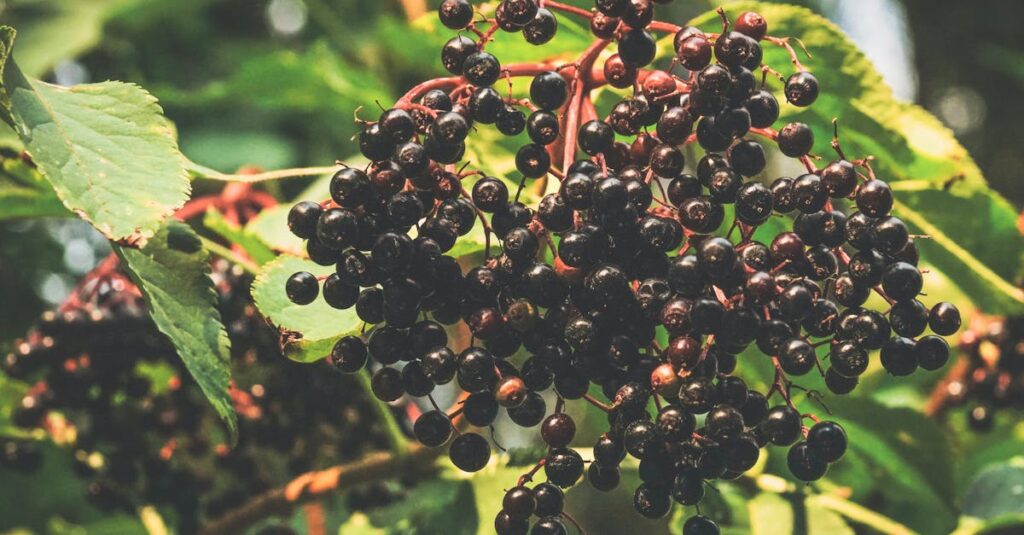
- American Elderberry (Sambucus canadensis): Native to Missouri, this species is hardy and well-adapted to the region. It produces large clusters of dark purple to black berries.
- ‘Adams’: A popular variety with large, dark fruit. It produces a high yield of berries and is resistant to disease.
- ‘Johns’: Known for producing very large berries, it is also a highly productive variety.
- ‘York’: Another productive variety with larger berries, commonly used for making elderberry syrup.
- European Elderberry (Sambucus nigra): While not native, it can still grow well in Missouri. European elderberries typically have a different flavor profile and slightly different growing habits.
- ‘Black Lace’: A decorative variety with dark foliage and red-tinged flowers, although the berries are smaller than American varieties.
- Hybrid Varieties: Some newer varieties are hybrids between American and European species, such as ‘Ranch’ or ‘Nova’, which combine disease resistance with high productivity.
2. Planting Time
- Best Planting Time: The best time to plant elderberries is in early spring after the last frost, usually around late March to early April. This allows the plants to establish roots before the summer heat arrives.
- Fall Planting: You can also plant elderberries in the fall, from late September to early October, but make sure to plant early enough to give the roots time to establish before the first frost.
3. Site Preparation
- Soil Requirements: Elderberries prefer well-drained, moist soil that is rich in organic matter. The soil should have a pH of 5.5 to 6.5. Elderberries are relatively tolerant of soil types but thrive best in slightly acidic soils.
- To improve soil fertility, incorporate compost, aged manure, or organic matter before planting.
- Consider doing a soil test to determine if soil amendments like lime (to raise pH) or sulfur (to lower pH) are necessary.
- Location: Choose a full-sun location that receives at least 6–8 hours of direct sunlight per day. Elderberries can tolerate partial shade, but full sun promotes the best fruit production.
- Space and Drainage: Ensure the planting site has good drainage, as elderberries do not tolerate standing water. Elderberries grow best in moist environments but need well-draining soil to avoid root rot.
4. Planting
- Spacing: Elderberry plants should be spaced about 5–8 feet apart to allow for proper air circulation and room for the plants to spread.
- Planting Depth: Plant elderberry bushes with the root crown level with the soil surface. If planting bare-root plants, spread the roots out gently and cover them with soil, ensuring that the crown is not buried too deep.
- Planting Method:
- Dig a hole that is about 18–24 inches wide and 12–18 inches deep. Elderberry plants have relatively shallow roots, so the hole should be wide enough to allow them to spread.
- If planting multiple plants, space them apart by 5–8 feet to allow for their natural spreading growth.
- Watering: Water immediately after planting to settle the soil around the roots. Elderberries require consistent moisture, especially during the establishment phase. Keep the soil moist, but not soggy, during the growing season.
5. Watering and Maintenance
- Watering: Elderberries need about 1 to 1.5 inches of water per week during the growing season, especially during the flowering and fruiting stages. Ensure the soil remains consistently moist but not waterlogged.
- Drip irrigation or soaker hoses are ideal for delivering water directly to the roots without wetting the foliage.
- Water early in the day to avoid promoting fungal diseases.
- Mulching: Apply a 2–3 inch layer of organic mulch (e.g., wood chips, straw, or leaves) around the base of the plants to help retain moisture, suppress weeds, and regulate soil temperature. Keep the mulch away from the plant stems to prevent rot.
- Fertilization: Elderberries benefit from light fertilization each spring. Use a balanced fertilizer (10-10-10) or one formulated for fruiting plants. Avoid over-fertilizing, as this can lead to excessive leafy growth and reduced fruiting.
- Compost is also a great option for providing slow-release nutrients.
- Pruning: Prune elderberries in early spring to remove dead, damaged, or weak wood. Also, remove any crossing branches to promote good airflow and prevent disease.
- After the first 2-3 years of growth, elderberries should be pruned every 1–2 years to maintain their shape and increase fruit production.
- Rejuvenation Pruning: Older plants can be rejuvenated by cutting them back to about 6-12 inches from the ground in early spring. This encourages new, productive growth.
6. Growth and Fruit Production
- Flowering: Elderberries typically produce large, flat clusters of white or cream-colored flowers in late spring (around May or June in Missouri). These flowers are highly attractive to pollinators such as bees.
- Pollination: While elderberries are self-pollinating, planting more than one variety can improve fruit yields. Cross-pollination generally results in larger, more abundant clusters of berries.
- Fruit Development: After pollination, the flowers will give way to green berries that gradually ripen into dark purple or black berries by late summer (August through September).
- Growth Habit: Elderberry bushes can grow 5–12 feet tall and wide, depending on the variety. They spread through suckers, so you may need to prune back some suckers to control growth and shape.
7. Pest and Disease Management
- Common Pests:
- Japanese Beetles: These beetles can damage the leaves and berries. Hand-pick them or use organic insecticides like neem oil to control them.
- Aphids: Aphids can weaken the plants and spread diseases. Use insecticidal soap or natural predators like ladybugs.
- Elderberry Borer: This pest can damage stems and branches. Look for holes in the stems and remove infested plants. Use insecticides if necessary.
- Diseases:
- Powdery Mildew: This fungal disease can affect the leaves. To prevent powdery mildew, space your plants well and avoid overhead watering. Use a fungicide if necessary.
- Elderberry Leaf Spot: This fungal infection causes black spots on leaves. Remove infected leaves and improve air circulation around the plants.
- Root Rot: To prevent root rot, avoid over-watering and ensure your planting site has good drainage.
8. Harvesting
- Timing: Elderberries are ready to harvest when the berries are fully ripe and dark purple or black. This typically occurs in late summer (August to September).
- How to Harvest: Harvest the berries in clusters using scissors or garden shears to cut the whole bunch from the plant. Be sure to leave some berries on the plant to allow for further fruiting.
- Handle with care: Elderberries are delicate, so handle them gently to avoid bruising or crushing.
- Post-Harvest Care: Fresh elderberries should be stored in the refrigerator and used within a week. If you are not using them immediately, freeze them for long-term storage.
9. Storage and Preservation
- Freezing: Elderberries freeze well. After harvesting, wash and dry the berries thoroughly. Spread them out on a baking sheet in a single layer to freeze individually. Once frozen, transfer them to a freezer-safe bag or container.
- Jams, Syrups, and Wines: Elderberries are often used to make elderberry syrup, jams, and wine. Be sure to cook the berries thoroughly, as raw elderberries contain toxic compounds that are deactivated by cooking.
- Drying: You can also dry elderberries by placing them in a dehydrator or air-drying them. Once dried, store them in an airtight container in a cool, dark place.
10. Considerations for Missouri’s Climate
- Winter Protection: Elderberries are cold-hardy and can tolerate Missouri’s winters, but it’s always a good idea to mulch around the base of the plants to protect the roots from freezing.
- Spring Growth: As the weather warms in the spring, remove any winter mulch to allow the soil to warm up and encourage growth. Be mindful of late spring frosts, which can damage new growth.
11. Challenges
- Pests: Keeping an eye out for pests, particularly Japanese beetles and aphids, is important to maintain healthy plants.
- Disease: Watch for powdery mildew and root rot, particularly in wet years. Proper spacing and good air circulation will help reduce disease pressure.
- Soil: If your soil is too alkaline, you may need to amend it with sulfur or peat moss to lower the pH.
By following these steps, you can successfully grow elderberries in Missouri’s Zone 6b-7a. Elderberries provide not only a valuable food source for wildlife but also numerous health benefits for humans, especially when used in syrups, jams, and other products. Enjoy your harvest! Let me know if you need more information!