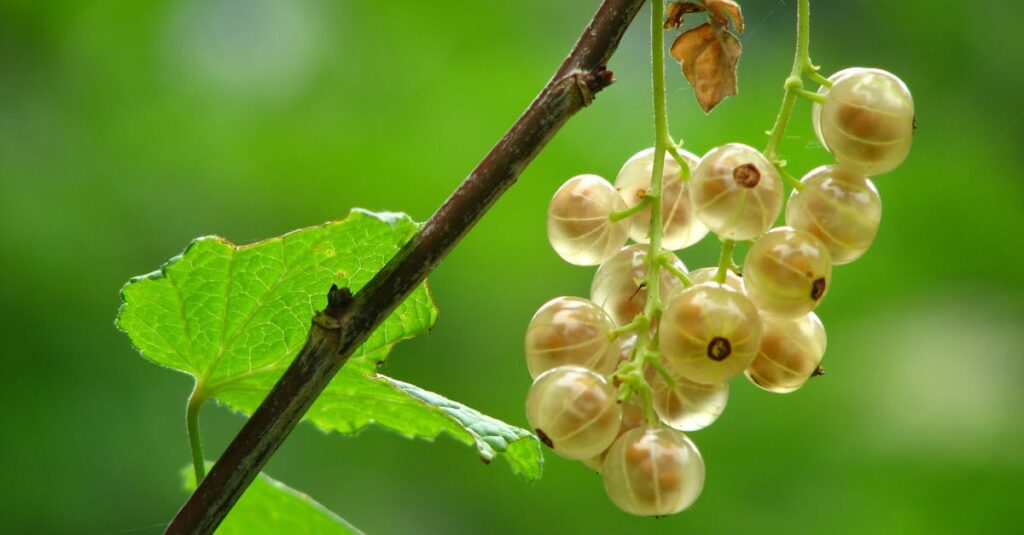
Gooseberries are a hardy and productive fruit-bearing shrub that can thrive in Missouri’s Zone 6b-7a climate. They produce tart berries that can be eaten fresh, cooked, or used in jams and desserts. With proper care, gooseberries can be a low-maintenance and rewarding addition to your garden.
1. Choose the Right Variety
Variety Selection:
There are two main types of gooseberries:
- American Gooseberries (Ribes hirtellum) – Smaller fruit but more resistant to diseases like powdery mildew.
- ‘Poorman’ – Sweet, red fruit with good disease resistance.
- ‘Hinnomaki Red’ – Flavorful, red berries with a tart skin and sweet interior.
- European Gooseberries (Ribes uva-crispa) – Larger fruit with more complex flavors but can be more disease-prone.
- ‘Invicta’ – Green fruit, heavy producer, and mildew-resistant.
- ‘Captivator’ – Thornless variety with red fruit, cold hardy.
2. Planting Time
- Best Planting Time: Early spring (March to April) before bud break or late fall (October-November) after dormancy begins.
- Bare-root vs. Potted Plants: Bare-root plants should be planted in early spring, while potted plants can be planted later in the season.
3. Site Preparation
Soil Requirements:
- Well-drained, loamy soil enriched with organic matter.
- pH range of 6.0–6.5 (slightly acidic to neutral).
- Avoid heavy clay soils unless amended with compost to improve drainage.
Sunlight:
- Full sun to partial shade (at least 4–6 hours of sunlight per day).
- Partial shade can improve fruit quality and prevent scorching in hot summers.
Spacing:
- Bush Varieties: 3–5 feet apart in rows 6–8 feet apart.
- Trellised Varieties: Space 2–3 feet apart and support with a trellis or stake.
4. Planting
- Dig a hole large enough to spread roots comfortably.
- Soak bare-root plants in water for 1–2 hours before planting.
- Plant so the root ball sits at ground level and cover with soil.
- Water thoroughly after planting.
- Mulch around the base to retain moisture and suppress weeds.
5. Watering and Maintenance
Watering:
- 1–1.5 inches per week, more during dry spells.
- Drip irrigation or soaker hoses are preferred to keep leaves dry and reduce disease risk.
Mulching:
- Apply 2–4 inches of mulch (straw, wood chips, or leaves) to conserve moisture and reduce weed growth.
Fertilization:
- Apply a balanced fertilizer (10-10-10) in early spring before new growth appears.
- Side-dress with compost or organic fertilizer in midseason to encourage fruit production.
6. Growth and Flowering
- Gooseberries are self-pollinating, so one plant is enough, but multiple plants improve yield.
- Flowers appear in early spring and develop into berries by early summer.
- Fruit ripens from June to July, depending on the variety.
7. Pruning and Trellising
Pruning:
- First Year: Remove weak or damaged stems to encourage strong growth.
- Annual Pruning: In late winter, remove old, unproductive wood (over 3 years old) and thin out overcrowded branches.
- Keep 3–4 main stems for optimal fruit production.
Trellising:
- While not required, trellising can improve airflow, reduce disease, and make harvesting easier.
- Use a wire trellis or stakes to support the canes.
8. Pest and Disease Management
Common Pests:
- Gooseberry Sawfly – Larvae can defoliate plants; use insecticidal soap or handpick larvae.
- Aphids – Cause leaf curling; control with neem oil or natural predators like ladybugs.
- Japanese Beetles – Handpick or use row covers.
Common Diseases:
- Powdery Mildew: White fungal coating on leaves and fruit; plant resistant varieties and ensure good airflow.
- Anthracnose: Causes leaf spots and defoliation; remove infected leaves and avoid overhead watering.
- Botrytis (Gray Mold): Affects fruit in humid conditions; space plants properly to improve air circulation.
9. Harvesting
- Timing: June to July, when berries are fully colored but still firm.
- Signs of Maturity: Deep red, green, or yellow color depending on variety; firm but slightly soft to the touch.
- Harvesting Technique: Pick every few days; use gloves for thorny varieties.
10. Storage and Preservation
- Short-Term: Store in a breathable container in the refrigerator for up to 2 weeks.
- Freezing: Spread on a tray, freeze, then transfer to airtight bags.
- Canning/Jams: Gooseberries make excellent preserves and sauces.
11. Considerations for Missouri’s Climate
- Heat Sensitivity: Afternoon shade can help prevent leaf scorch in extreme heat.
- Humidity Management: Prune for good airflow and avoid overhead watering to reduce fungal diseases.
- Winter Hardiness: Gooseberries tolerate cold winters but benefit from a mulch layer in late fall for root protection.
By following these guidelines, you can grow a productive and healthy crop of gooseberries in Missouri’s climate. Whether eaten fresh, turned into jam, or used in desserts, gooseberries are a great addition to any home garden.