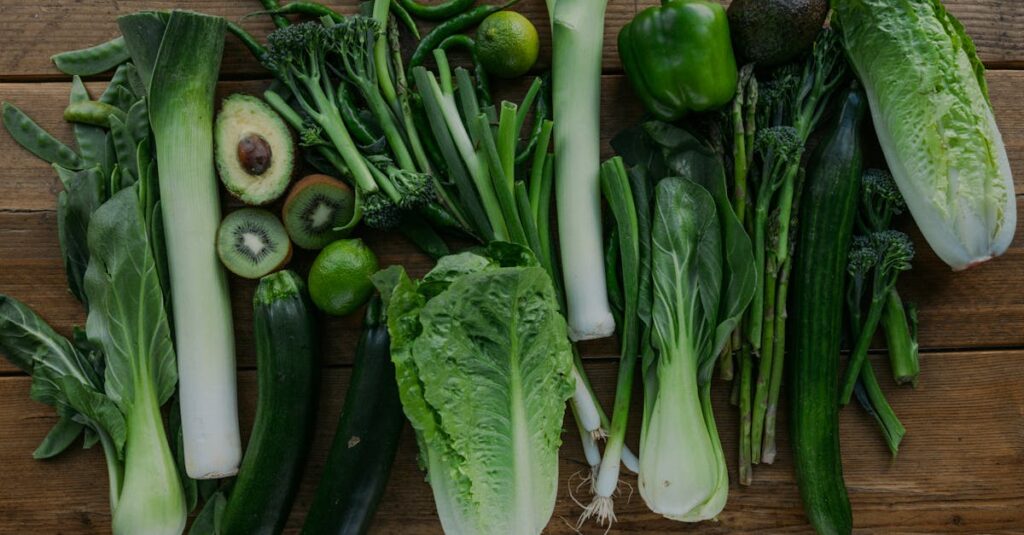
Leeks are a hardy, cool-season vegetable that thrives in Missouri’s climate, particularly when planted for a fall or early spring harvest. They require a long growing season and benefit from consistent moisture and proper soil preparation.
1. Choose the Right Leek Variety
Variety Selection:
- King Richard – An early-maturing variety with long, slender stalks.
- American Flag – A traditional, hardy variety that tolerates cold well.
- Giant Musselburgh – A large, thick-stemmed leek with excellent flavor.
- Tadorna – A disease-resistant variety ideal for fall and winter harvests.
- Lancelot – A fast-growing variety perfect for shorter growing seasons.
2. Planting Time
Ideal Temperature:
- Leeks grow best in cool temperatures between 55°F–75°F.
- They require a long growing season of 90–150 days.
Spring Planting:
- Start seeds indoors 8–10 weeks before the last frost (mid-January to early February).
- Transplant outdoors in mid-March to early April, once the soil is workable.
Fall Planting:
- Direct sow or transplant in July for a fall harvest.
- Fall-planted leeks can be overwintered and harvested in early spring.
Frost Tolerance:
- Leeks are frost-hardy and can survive temperatures down to 20°F.
- Mulch heavily in late fall to protect against deep freezes.
3. Site Preparation
Soil Requirements:
- Prefers loose, well-drained soil rich in organic matter.
- Soil pH should be between 6.0–7.0.
- Work in compost or aged manure before planting.
Sunlight:
- Requires full sun (at least 6–8 hours per day).
Spacing:
- Space plants 6 inches apart in rows 12–18 inches apart.
- For larger leeks, increase spacing to allow for better development.
4. Planting
Seed Preparation:
- Soak seeds overnight to improve germination.
Transplanting:
- When seedlings are 6–8 inches tall, trim tops to 4 inches to encourage root growth.
- Transplant by digging 6-inch-deep trenches and planting seedlings at the bottom.
- As they grow, gradually fill in soil around the base to blanch the stems.
Direct Sowing:
- Sow seeds ¼ inch deep and thin seedlings as they grow.
5. Watering and Maintenance
Watering Needs:
- Leeks require 1–1.5 inches of water per week.
- Keep soil evenly moist but not waterlogged.
Irrigation:
- Use drip irrigation or soaker hoses to maintain consistent moisture.
Weeding:
- Keep rows weed-free, as leeks grow slowly and compete poorly with weeds.
- Apply mulch to retain moisture and suppress weeds.
Fertilization:
- Apply a balanced fertilizer (10-10-10) at planting.
- Side-dress with nitrogen every 3–4 weeks to promote leafy growth.
6. Growth Stages and Maturity
Vegetative Growth:
- Leeks grow slowly, developing long, tubular leaves.
Blanching the Stems:
- To produce tender, white stalks, hill soil or mulch around the base every few weeks.
Maturity:
- Leeks are ready to harvest 90–150 days after planting.
- Size varies, but most mature at ¾ to 1½ inches in diameter.
7. Harvesting
Timing:
- Harvest as needed once leeks reach the desired size.
- They can remain in the ground through winter with proper mulching.
Signs of Maturity:
- Stalks should be firm, thick, and at least 1 inch in diameter.
- Outer leaves may start to yellow slightly.
Manual Harvesting:
- Use a garden fork to gently loosen the soil before pulling leeks up.
- Trim roots and remove tough outer leaves before storing.
8. Post-Harvest Processing
Storage:
- Store fresh leeks in the refrigerator for up to 2 weeks.
- Wrap in a damp paper towel and place in a perforated plastic bag.
Preservation:
- Blanch and freeze for long-term storage.
- Leeks can also be dehydrated or pickled for extended use.
9. Considerations for Missouri’s Climate
Growing Season Length:
- Leeks require a long season, so starting early or planting in summer for fall harvest is ideal.
Cold Hardiness:
- Leeks tolerate light frost and can overwinter with protection.
- Mulch heavily in late fall to extend the harvest season.
Pests and Diseases:
- Watch for onion thrips, leek moths, and aphids.
- Rotate crops yearly to prevent onion rust and fungal diseases.
10. Challenges
Slow Growth:
- Leeks take several months to mature, requiring patience.
Blanching Required:
- Regular hilling or mulching is necessary for tender, white stalks.
Weed Competition:
- Leeks grow slowly at first, so early weed control is essential.
By following these steps, you can successfully grow leeks in Missouri’s Zone 6b-7a. With proper care and timing, you’ll enjoy a delicious, cold-hardy crop that can be harvested well into winter.
Let me know if you need more details or additional guidance!