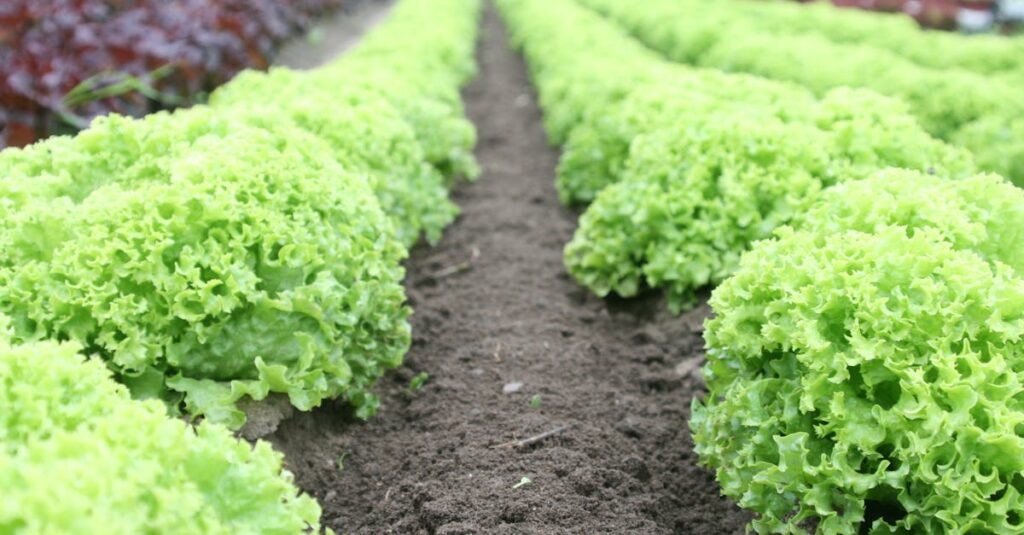
Lettuce is a cool-season crop that thrives in Missouri’s climate, making it perfect for both spring and fall plantings. With proper care, it can be grown almost year-round using season extenders like cold frames or row covers. Whether you prefer crisphead, romaine, butterhead, or loose-leaf varieties, lettuce is an easy and rewarding vegetable to cultivate.
1. Choose the Right Lettuce Variety
Variety Selection:
- Leaf Lettuce (Black-Seeded Simpson, Red Salad Bowl, Oak Leaf) – Fast-growing and ideal for cut-and-come-again harvesting.
- Romaine Lettuce (Parris Island Cos, Little Gem, Green Towers) – Crunchy, upright heads with excellent heat tolerance.
- Butterhead Lettuce (Bibb, Buttercrunch, Tom Thumb) – Tender, soft leaves with a sweet flavor.
- Crisphead Lettuce (Iceberg, Great Lakes, Summertime) – Firm, dense heads but requires a longer growing season.
2. Planting Time
Ideal Temperature:
- Lettuce grows best in cool weather between 45°F–75°F.
- It takes 30–70 days to mature, depending on the variety.
Spring Planting:
- Direct sow 4–6 weeks before the last frost (late February to mid-March).
- Start indoors 6–8 weeks before the last frost and transplant seedlings when they have 4–6 true leaves.
Fall Planting:
- Direct sow or transplant seedlings 8–10 weeks before the first frost (mid-August to early September).
- Lettuce can survive light frosts and continues growing into late fall with protection.
Winter Growing:
- Use cold frames, low tunnels, or row covers to grow lettuce through winter in Missouri.
- Hardy varieties like Winter Density and Arctic King can withstand colder temperatures.
3. Site Preparation
Soil Requirements:
- Prefers well-drained, fertile soil rich in organic matter.
- Soil pH should be 6.0–7.0.
- Add compost or aged manure before planting to improve fertility.
Sunlight:
- Requires full sun (6+ hours per day) but benefits from partial shade in warmer months.
Spacing:
- Leaf Lettuce: Space plants 4–6 inches apart in rows 12 inches apart.
- Head Lettuce: Space plants 12–18 inches apart in rows 18–24 inches apart.
4. Planting
Starting Indoors:
- Start seeds 6–8 weeks before the last frost in seed trays.
- Transplant seedlings once they have 4–6 true leaves and are 3–4 inches tall.
Direct Sowing:
- Plant seeds ¼ inch deep, spacing them 1 inch apart.
- Thin seedlings to the desired spacing once they reach 2–3 inches tall.
5. Watering and Maintenance
Watering Needs:
- Lettuce needs 1–1.5 inches of water per week to prevent bitterness.
- Keep the soil evenly moist but not waterlogged.
Irrigation:
- Use drip irrigation or soaker hoses to maintain moisture and prevent soil splash.
Weeding:
- Keep the area weed-free, as weeds compete for nutrients.
- Apply mulch to suppress weeds and retain soil moisture.
Fertilization:
- Apply a balanced fertilizer (10-10-10) at planting.
- Side-dress with nitrogen-rich fertilizers (like compost tea or fish emulsion) every 3–4 weeks to encourage leaf production.
6. Growth Stages and Maturity
Germination:
- Lettuce seeds sprout in 7–14 days, depending on soil temperature.
Leaf Development:
- Young plants establish a strong root system and begin producing leaves.
Maturity:
- Leaf lettuce: Ready to harvest in 30–45 days.
- Butterhead & Romaine: Ready in 50–60 days.
- Crisphead: Ready in 65–80 days.
7. Harvesting
Timing:
- Begin harvesting outer leaves when they reach 4–6 inches long.
- For head lettuce, harvest once the heads are firm and fully formed.
Signs of Maturity:
- Leaves should be crisp and full-colored.
- Avoid harvesting bolted or bitter leaves.
Manual Harvesting:
- Leaf lettuce: Snip individual leaves or cut the entire plant at the base.
- Head lettuce: Use a knife to cut just above the soil line.
8. Post-Harvest Processing
Storage:
- Store fresh lettuce in the refrigerator for up to 1–2 weeks in a plastic bag.
- Keep leaves dry to extend shelf life.
Preservation:
- Lettuce is best consumed fresh but can be stored briefly in a cool, humid environment.
9. Considerations for Missouri’s Climate
Growing Season Length:
- Lettuce thrives in spring, fall, and winter.
- Avoid planting in mid-summer, as heat causes bolting.
Cold Hardiness:
- Frost improves the flavor of some varieties.
- Use mulch or row covers to protect plants from extreme cold.
Pests and Diseases:
- Aphids, slugs, and cutworms are common pests.
- Use floating row covers to prevent infestations.
- Rotate crops each season to prevent soilborne diseases.
10. Challenges
Bolting in Heat:
- Lettuce may bolt (flower) in hot weather (above 75°F).
- Provide afternoon shade or plant in early spring and fall to avoid this.
Pest Management:
- Hand-pick slugs or use diatomaceous earth around plants.
- Use neem oil or insecticidal soap for aphid control.
Bitter Leaves:
- Lettuce can develop bitterness in hot, dry conditions.
- Keep plants well-watered and harvest younger leaves for the best flavor.
By following these steps, you can successfully grow lettuce in Missouri’s Zone 6b-7a. With proper care, you’ll enjoy a steady harvest of fresh, crisp greens throughout multiple seasons.
Let me know if you need more details or additional guidance!