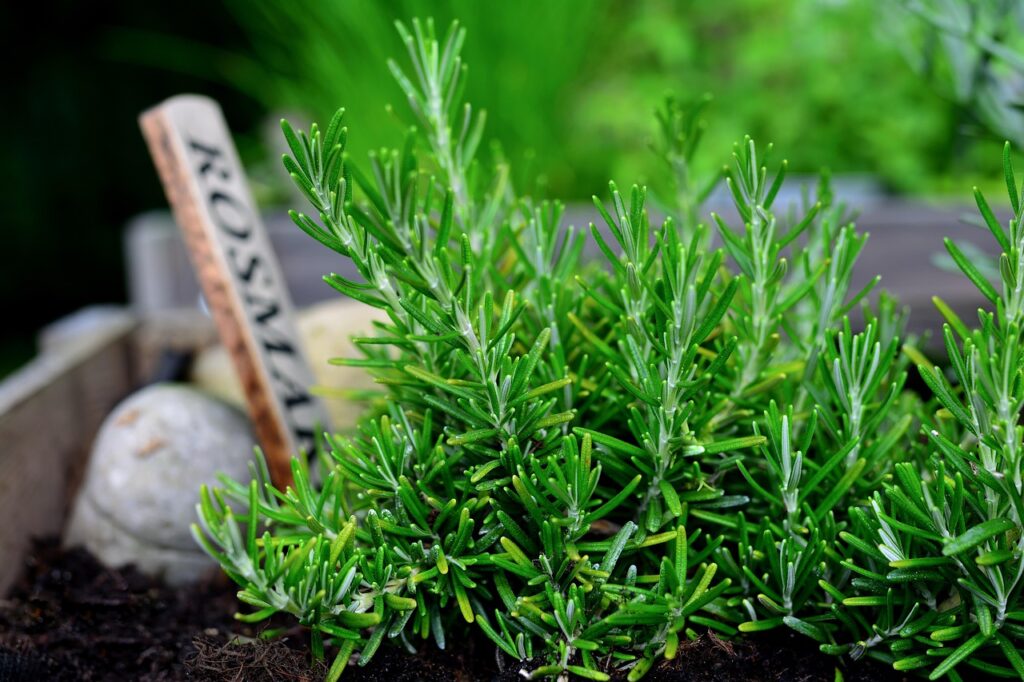
Rosemary is a fragrant herb known for its culinary and medicinal uses. It thrives in Mediterranean conditions and is cold-sensitive, so growing it in Missouri requires special attention to its winter needs.
1. Choosing the Right Variety
Best Rosemary Varieties for Missouri:
‘Arp’ – One of the hardiest varieties, survives cold winters, up to Zone 6b.
‘Tuscan Blue’ – Hardy to Zone 7, vigorous growth, and great flavor.
‘Salem’ – Cold-hardy and compact, perfect for containers.
Avoid:
- ‘Blue Boy’ – Not cold-hardy in Missouri’s winters.
2. Planting Time
Best Planting Window:
- Spring: April–May (after frost danger passes).
- Fall: If growing in containers, you can plant in September, but you’ll need to bring it inside for winter protection.
Tip: Rosemary thrives in warm weather, so plant in late spring after the danger of frost has passed.
3. Site Preparation
Sunlight Needs:
- FULL sun (6–8 hours daily).
- Avoid planting in the shade or areas with too much humidity, as rosemary doesn’t perform well in these conditions.
Soil Requirements:
- Well-drained, sandy or loamy soil with a neutral to slightly alkaline pH (6.0–7.5).
- Avoid heavy, clay soils, as rosemary dislikes wet feet.
Tip: Add sand or perlite to heavy clay soil to improve drainage.
4. Planting
Spacing:
- 12–18 inches apart to allow for proper air circulation.
Planting Depth:
- Plant at the same depth as in the pot.
- Do not bury the crown or the base of the plant.
Watering Immediately after planting to settle soil around roots.
5. Watering & Maintenance
Watering Needs:
- Young plants: Water 1–2 times per week until established.
- Mature plants: Water deeply but infrequently—once every 2 weeks or when soil feels dry.
Tip: Rosemary is drought-tolerant once established and prefers dry conditions.
Pruning:
- Prune lightly in early spring to remove dead or damaged wood.
- After flowering (late spring or early summer), prune to maintain shape and encourage bushy growth.
- Never cut into old wood as rosemary may not regenerate from it.
6. Mulching & Winter Protection
Winter Considerations for Zone 6b-7a:
- Mulch heavily (3–4 inches) in fall with straw or leaves to protect roots from freezing.
- Cover with burlap or row covers during harsh winters or for more sensitive varieties.
- In Zone 6b, it’s recommended to grow rosemary in pots for better winter control and bring it indoors when temperatures drop below 10°F.
Summer Mulching:
- Use light-colored mulch to reflect heat and maintain moisture balance.
- Avoid thick, organic mulch around rosemary, as it retains moisture and increases the risk of rot.
7. Companion Planting
Good Companions:
Thyme, Oregano, Sage – Similar water and light needs.
Basil, Mint – Culinary companions.
Lavender – Also drought-tolerant and attracts beneficial insects.
Avoid planting near:
Parsley, Fennel – Rosemary does not do well with these herbs.
Cabbage family plants – Can cause poor growth and stunt rosemary.
8. Common Problems & Solutions
Pests:
- Aphids – Wash off with water or use insecticidal soap.
- Whiteflies – Use neem oil or an insecticidal soap.
- Spider Mites – Spray with water or insecticidal soap.
Diseases:
- Root Rot: Caused by wet soil; avoid overwatering and ensure good drainage.
- Powdery Mildew – Ensure good airflow and avoid wetting foliage when watering.
9. Harvesting
Harvest Time:
- Spring to early fall, before the first frost.
- Harvest young leaves for the best flavor.
How to Harvest:
- Use sharp scissors or pruners to cut sprigs of rosemary.
- Leave about 2–3 inches of growth on the plant to promote new shoots.
Tip: Harvest before flowering for the most intense flavor.
10. Drying & Storage
Drying Rosemary:
- Hang sprigs upside down in a dark, dry, well-ventilated area.
- Drying time: 7–14 days.
Storage:
- Store dried rosemary in airtight containers in a cool, dark location.
- Use within 1–2 years for best flavor.
11. Missouri-Specific Considerations
Heat & Humidity:
- Rosemary dislikes high humidity and prefers dry, Mediterranean-like conditions.
- Grow in well-draining soil, or containers for flexibility.
Cold Hardiness:
- ‘Arp’ variety is cold-hardy to Zone 6b, making it a good choice for outdoor planting.
- Consider bringing indoors in the winter or use row covers during extreme cold.
Heavy Rain:
- Avoid waterlogging by planting in raised beds or containers.
- Ensure good drainage to prevent root rot in Missouri’s wet seasons.
12. Summary of Key Tips
✔ Plant in full sun with well-drained soil.
✔ Space plants 12–18 inches apart for airflow.
✔ Water deeply but infrequently—avoid wet feet.
✔ Prune after flowering to maintain shape.
✔ Protect from winter cold with mulch and/or indoor placement.
✔ Harvest before flowering for the best flavor.