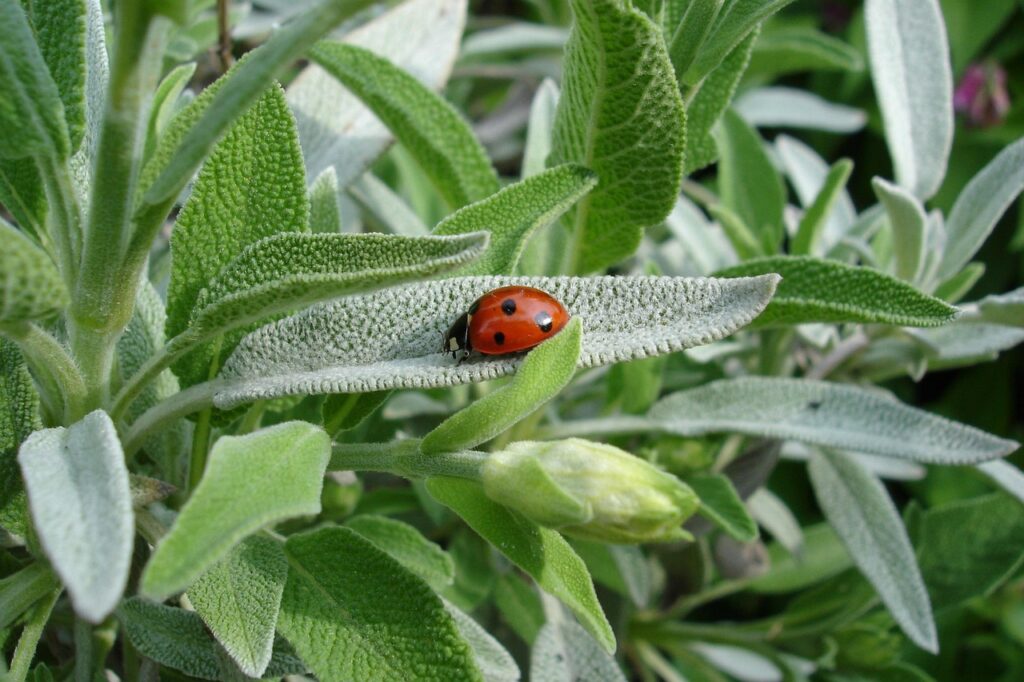
Sage is a versatile, fragrant herb commonly used in cooking, especially for poultry, stuffing, and Mediterranean dishes. It is also well-suited for Missouri’s climate, making it a great addition to your herb garden.
1. Choosing the Right Variety
Popular Sage Varieties for Missouri:
- ‘Garden Sage’ – The classic variety, with broad, gray-green leaves and a robust flavor.
- ‘Purple Sage’ – Known for its purple stems and distinctive flavor, it’s an ornamental and culinary favorite.
- ‘Golden Sage’ – A variety with golden edges on its leaves, great for visual interest in your garden.
- ‘Tri-Color Sage’ – This variety has variegated leaves of cream, green, and purple, adding a pop of color.
2. Planting Time
Best Planting Window:
- Indoor Starting: If starting indoors, sow sage seeds 6-8 weeks before the last frost date, typically around late February to early March in Zone 6b-7a.
- Outdoor Planting: Transplant sage outdoors after the last frost date, around mid to late May when the soil temperature has warmed to at least 60°F. Sage thrives in warm conditions but is sensitive to frost.
3. Site Preparation
Sunlight Needs:
- Sage prefers full sun and requires at least 6 hours of direct sunlight per day for optimal growth.
- A south-facing location with good sunlight exposure is ideal.
Soil Requirements:
- Well-drained soil is crucial for sage. Sage does not tolerate wet, soggy conditions.
- pH level: Sage prefers slightly alkaline to neutral soil, with a pH of 6.0 to 7.0.
- Soil Amendments: Amend the soil with organic compost to improve fertility, but avoid adding too much nitrogen, which can lead to lush growth with fewer aromatic oils.
4. Planting
Spacing:
- Space sage plants 18-24 inches apart to allow for good air circulation and prevent overcrowding, which can reduce disease risk.
- If planting in rows, keep them at least 24-36 inches apart.
Planting Depth:
- Plant sage at the same depth it was growing in its pot or seedling tray.
- Sow seeds about ¼ inch deep if starting from seed.
Watering: Water thoroughly after planting to establish the roots. Sage does not like wet feet, so make sure the soil is well-draining.
5. Watering & Maintenance
Watering Needs:
- Sage prefers moderate watering. It is drought-tolerant once established, but regular watering is needed during dry spells, about 1 inch per week.
- Avoid watering the foliage; instead, use a drip irrigation system or water directly at the base of the plant.
Pruning:
- Trim back sage regularly to encourage new growth and keep the plant bushy. Pruning also helps prevent the plant from becoming woody.
- Cut back any dead or damaged branches and remove flower stalks to maintain the plant’s health.
6. Mulching & Winter Protection
Summer Mulching:
- Apply a light mulch around the base of the plant to help retain moisture and suppress weeds. Be cautious not to bury the stems, as sage can rot in moist conditions.
Winter Protection:
- Sage is hardy in Missouri (Zone 6b-7a), but it may not survive extreme cold if not protected.
- In winter, cover the plant with burlap or mulch to help protect it from freezing.
- If grown in containers, move sage plants into a cool, frost-free spot like a garage or shed during the winter months.
7. Companion Planting
Good Companions:
Cabbage family (such as broccoli, cabbage, or cauliflower) – Sage helps repel pests like cabbage moths.
Carrots – Sage’s strong scent can deter pests that affect carrots.
Strawberries – Sage can help protect strawberries from pest damage.
Beans – Sage can help ward off insect pests that might harm beans.
Avoid planting near:
Cucumbers – The strong scent of sage can inhibit cucumber growth.
Rue – Rue can be harmful to sage, especially when planted too close.
8. Common Problems & Solutions
Pests:
- Aphids – Control aphids by spraying sage with insecticidal soap or introducing beneficial insects like ladybugs.
- Whiteflies – Another common pest that can be controlled with insecticidal soap or neem oil.
- Spider Mites – Spider mites can be controlled with neem oil or insecticidal soap.
Diseases:
- Powdery Mildew – Ensure good air circulation around your sage plants. Avoid wetting the leaves when watering.
- Root Rot – Root rot is common in overly wet conditions. Ensure good drainage and avoid overwatering.
9. Harvesting
Harvest Time:
- Sage is ready for harvesting 3-4 months after planting when the plant has reached its full size, and the leaves are well-developed.
- The best time to harvest sage leaves is before the plant blooms, as this is when the flavor is strongest.
How to Harvest:
- Snip the leaves from the top of the plant. Be sure to leave some growth behind to allow the plant to continue producing.
- Harvesting young leaves will yield the best flavor.
Tip: You can harvest sage multiple times throughout the season, but be sure to avoid removing more than one-third of the plant at once.
10. Drying & Storage
Drying Sage:
- Hang the stems upside down in a cool, dry, well-ventilated space.
- Sage will take about 1-2 weeks to fully dry.
Storage:
- Once dried, store sage in airtight containers in a cool, dark place for up to 6 months.
- If storing fresh sage, you can freeze it by chopping and placing it in a freezer-safe container or ice cube trays with a bit of water or olive oil.
11. Missouri-Specific Considerations
Heat & Humidity:
- Sage thrives in Missouri’s hot summers, but you’ll need to ensure the plant is in well-drained soil to avoid moisture issues.
- During humid conditions, it’s important to maintain proper airflow around your sage plants to avoid fungal issues.
Winter Protection: Since sage is a semi-woody perennial, in Zone 6b-7a, it may require some winter protection to survive extreme cold temperatures. Consider mulching or covering plants during the winter months.
12. Summary of Key Tips
✔ Plant in full sun with well-drained, slightly alkaline soil.
✔ Space sage plants 18-24 inches apart to ensure good airflow.
✔ Water moderately, but avoid wetting the foliage to prevent disease.
✔ Prune regularly to promote new growth and avoid a woody plant.
✔ Harvest before the plant flowers, and dry or freeze your sage for storage.