Growing spaghetti squash (Cucurbita pepo) in Missouri (Zone 6b-7a) is a great choice, as it thrives in warm temperatures and needs a long growing season, making Missouri’s climate a good fit. Here’s a detailed guide on how to grow spaghetti squash successfully in your region:
1. Choose the Right Variety
- Variety Selection: There are several varieties of spaghetti squash, but most perform well in Missouri. Popular varieties include:
- ‘Vegetable Spaghetti’: A widely known, large-fruited variety with a stringy texture when cooked.
- ‘Gold Rush’: A slightly smaller, early-maturing variety, producing golden-yellow squash.
- ‘Tivoli’: A hybrid variety known for its early yield and resistance to diseases.
- Disease Resistance: Choose a variety with disease resistance, especially to common squash pests such as squash bugs, vine borers, and powdery mildew.
2. Planting Time
- Soil Temperature: Spaghetti squash requires warm soil, and the ideal planting temperature is 70–90°F for the soil. Wait until the soil has warmed to at least 60°F, typically by late May to early June in Missouri.
- Frost-Free Period: Spaghetti squash needs around 90–100 frost-free days to fully mature. Make sure to plant after the last expected frost (mid-April in Zone 6b-7a) and aim to harvest before the first frost (mid-October).
3. Site Preparation
- Soil Requirements: Spaghetti squash prefers well-drained, fertile soil with a pH of 6.0–7.5. Amend your soil with organic matter such as compost or well-rotted manure to improve soil fertility and texture.
- Soil Depth: The soil should be at least 8–12 inches deep to accommodate the deep root systems of squash plants.
- Location: Choose a full-sun location, as spaghetti squash needs 6-8 hours of direct sunlight per day. Avoid low-lying areas where frost or cool air might settle.
- Spacing: Spaghetti squash vines spread widely, so space plants about 24–36 inches apart in rows that are 48–60 inches apart to provide plenty of room for them to grow.
4. Planting
- Direct Sowing: Spaghetti squash is usually direct-sown into the garden rather than transplanted. This reduces the risk of transplant shock and ensures that the plants grow strong.
- Seed Depth: Plant seeds 1 inch deep into the soil.
- Spacing: Plant 2–3 seeds per hole and thin them to the strongest one once the seedlings have sprouted. This ensures proper spacing and helps reduce competition for nutrients.
- Mounding: Create small mounds of soil about 4–6 inches high to plant your squash on. This improves drainage and helps the soil warm up faster, creating ideal conditions for seed germination.
5. Watering and Maintenance
- Watering Needs: Spaghetti squash requires consistent moisture throughout its growing season, particularly during fruit development. Water the plants deeply, ensuring the soil is moist but not waterlogged.
- Watering Method: Use drip irrigation or soaker hoses to water the base of the plants. Avoid wetting the foliage, as this can encourage fungal diseases.
- Weeding: Keep weeds under control, especially when the plants are young. Use mulch to help suppress weeds, retain moisture, and regulate soil temperature. Squash plants grow quickly, but young plants are especially vulnerable to weed competition.
- Fertilization: Apply a balanced fertilizer (such as 10-10-10) when planting. Once the vines begin to spread, side-dress with organic compost or composted manure to encourage healthy vine growth and fruit development.
- Mulching: Applying mulch (such as straw or grass clippings) around your plants will help retain moisture, keep the soil temperature stable, and suppress weeds.
6. Growth and Flowering
- Vine Growth: Spaghetti squash is a vining plant, so it will begin to spread rapidly once established. The vines can cover a large area, so provide plenty of space for the plants to spread.
- Flowering: The plants will produce male flowers first, followed by female flowers, which grow near the base of the plant. Female flowers are the ones that will eventually produce the squash.
- Pollination: Pollination is essential for fruit production. Bees are the primary pollinators, but if your garden has limited pollinator activity, consider hand-pollinating by transferring pollen from a male flower to the female flower using a paintbrush.
7. Pest and Disease Management
- Common Pests: Watch for squash bugs, vine borers, aphids, and cucumber beetles. These pests can damage vines or disrupt fruit production. You can use organic insecticidal soap or neem oil to manage these pests.
- Powdery Mildew: Powdery mildew is a common fungal disease on squash. To prevent this, ensure proper air circulation by spacing plants well, water at the base of the plant, and consider using organic fungicides or baking soda solutions.
- Squash Vine Borer: One of the most damaging pests is the squash vine borer, which can destroy the vine. To prevent this, apply row covers early in the season to protect the plants and check for any signs of damage regularly. You can also remove affected stems immediately to limit the damage.
8. Harvesting
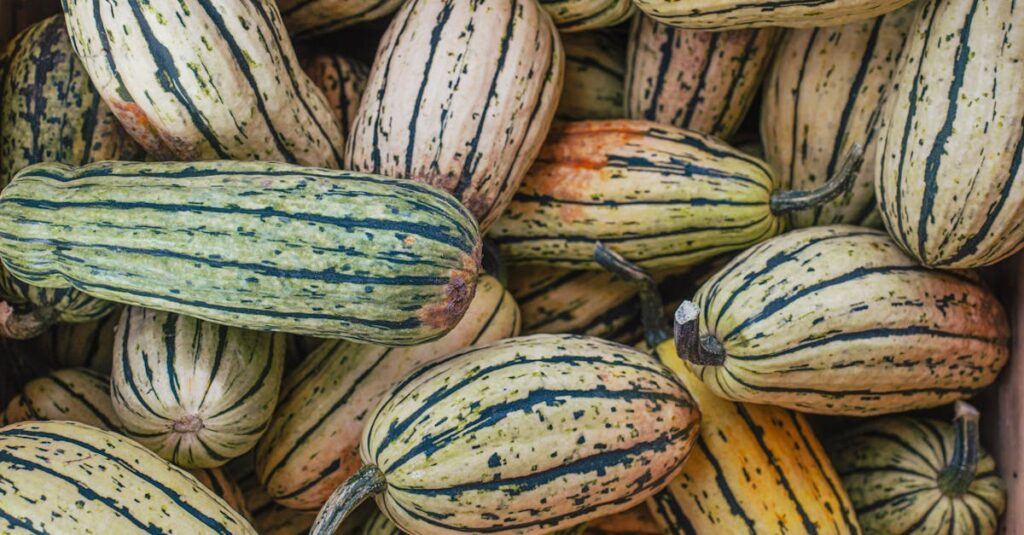
- Timing: Spaghetti squash is usually ready to harvest around 90–100 days after planting, typically by late September to early October in Missouri. Harvest when the squash has turned a golden yellow and the skin is hard and tough.
- Signs of Maturity: To test for maturity, press your fingernail into the skin of the squash. If it’s hard and doesn’t leave an indentation, it’s ready to be harvested. The vine should also start turning brown and dying back.
- How to Harvest: Use sharp pruning shears or a knife to cut the squash from the vine. Leave about 2–3 inches of stem attached to the squash to improve storage life.
- Handle with Care: Squash is delicate after harvest, so handle it gently to avoid bruising or damaging the skin.
9. Storage
- Curing: After harvesting, cure spaghetti squash in a warm (80–85°F) and dry area for about 10–14 days. This helps to harden the skin and prolong the squash’s shelf life.
- Storage Conditions: Once cured, store spaghetti squash in a cool, dry, and well-ventilated area (around 50–55°F) away from direct sunlight. A root cellar or basement is an ideal location.
- Shelf Life: Properly cured and stored spaghetti squash can last up to 3–6 months.
10. Considerations for Missouri’s Climate
- Temperature Extremes: Missouri can experience wide temperature fluctuations and early or late frosts. Make sure to monitor the weather closely in late fall, and if necessary, cover your plants with row covers or blankets to protect them from early frosts.
- Humidity: Humid conditions in Missouri can promote fungal diseases like powdery mildew, so maintaining good airflow and using proper watering techniques is key.
- Soil Fertility: If your soil is heavy clay or not very fertile, amend it with organic matter and compost to ensure that your squash has the nutrients it needs to grow and produce fruit.
11. Challenges
- Pests and Diseases: The biggest challenge for squash growers is managing pests like squash bugs, vine borers, and fungal diseases. Regular monitoring and early intervention can help prevent serious damage.
- Frost Sensitivity: Squash is very sensitive to frost, so it’s essential to harvest it on time and protect it from early fall frosts. Row covers can be a good preventative measure.
With proper care, you can successfully grow spaghetti squash in Missouri’s climate. From planting in warm soil to harvesting at the right time, following these steps will ensure you have a healthy, bountiful crop. Enjoy the delicious, versatile squash all year long! Let me know if you need further details or have any other questions.