1. Choosing the Right Variety
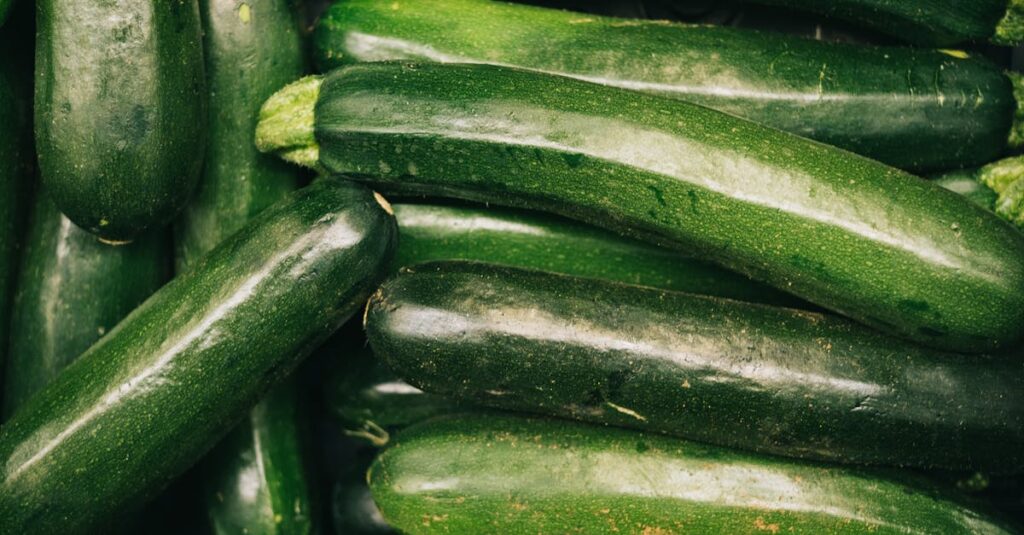
Zucchini grows well in Missouri’s warm summers. Select a variety based on your space and needs:
- Bush Zucchini – Compact, great for small gardens and raised beds.
- ‘Black Beauty’ – A classic, high-yielding variety.
- ‘Golden Zucchini’ – A bright yellow zucchini with great flavor.
- Vining Zucchini – Requires more space but produces abundantly.
- ‘Tromboncino’ – A heat-tolerant, flavorful variety.
- ‘Costata Romanesco’ – An heirloom variety with superior texture and taste.
- Disease-Resistant Varieties – To prevent common issues like powdery mildew and squash vine borers.
- ‘Dunja’ – Resistant to powdery mildew.
- ‘Success PM’ – A compact, disease-resistant variety.
2. Planting Time
- Direct Seeding: Zucchini prefers warm soil. Sow seeds after the last frost, typically in late April to early May when soil temperatures reach 60–70°F.
- Successive Planting: To extend the harvest, sow a second crop in mid to late July for a fall harvest.
- Frost-Free Period: Zucchini requires 40–60 frost-free days to mature. The first frost in mid-October will end the growing season.
3. Site Preparation
Soil Requirements:
- Prefers well-drained, fertile soil with a pH of 6.0–6.8.
- Amend with organic compost or aged manure to improve fertility.
- Avoid compacted or heavy clay soils; use raised beds if necessary.
Sunlight Needs:
- Requires 6–8 hours of full sun daily.
Spacing:
- Bush varieties: Space 24–36 inches apart in rows 36–48 inches apart.
- Vining varieties: Require 4–6 feet between plants or a trellis for vertical growth.
4. Planting
- Direct Sowing:
- Plant 1-inch deep, 2–3 seeds per hill, thinning to 1–2 strong plants.
- Space hills 3–4 feet apart (bush varieties can be closer).
- Transplants:
- Start seeds indoors 3–4 weeks before the last frost if you want an earlier harvest.
- Harden off seedlings before planting outdoors.
- Transplant when they have 2–3 true leaves.
Watering:
- Keep soil evenly moist but not waterlogged.
- Provide 1–2 inches of water per week, watering deeply.
- Avoid overhead watering to prevent powdery mildew.
5. Companion Planting
Best Companions:
- Herbs: Dill, oregano, and thyme deter pests.
- Flowers: Nasturtiums repel aphids and squash bugs; marigolds deter nematodes.
- Vegetables: Beans improve soil nitrogen; radishes deter squash borers.
Avoid planting near:
- Potatoes (compete for nutrients).
- Pumpkins & other squash (cross-pollination & disease spread).
6. Pollination & Growth
- Zucchini produces male and female flowers.
- Hand pollinate if fruit isn’t developing by using a brush to transfer pollen from male to female flowers.
- Encourage pollinators (bees, butterflies) by planting flowers nearby.
7. Pest & Disease Management
Common Pests:
- Squash Vine Borers:
- Prevention: Wrap plant stems with aluminum foil or use row covers.
- Control: Remove larvae manually if stems wilt.
- Squash Bugs:
- Prevention: Handpick eggs from leaves, mulch carefully.
- Control: Use insecticidal soap if infestation is severe.
- Aphids:
- Prevention: Encourage ladybugs; use neem oil if needed.
Common Diseases:
- Powdery Mildew:
- Prevention: Ensure good air circulation, use drip irrigation, and plant resistant varieties.
- Control: Apply a baking soda or neem oil spray.
- Blossom End Rot:
- Prevention: Maintain consistent watering and ensure adequate calcium in the soil.
8. Harvesting
Time to Harvest: 45–60 days after planting.
How to Harvest:
- Pick when fruits are 6–8 inches long for best texture.
- Use pruning shears or a knife to cut, leaving a short stem.
- Harvest every 2–3 days to encourage continuous production.
Pro Tip: Oversized zucchinis (12+ inches) become seedy and tough but can be used for baking (e.g., zucchini bread).
9. Storage & Preservation
Short-Term Storage:
- Store in the refrigerator crisper for 5–7 days.
- Avoid sealing in plastic, which traps moisture and causes decay.
Long-Term Storage:
- Freezing: Blanch sliced zucchini for 3 minutes, then freeze in airtight bags.
- Dehydrating: Slice and dry for zucchini chips or powder.
- Pickling: Use for zucchini relish or pickles.
10. Missouri-Specific Considerations
Heat & Humidity:
- Missouri’s summers can be hot and humid. Ensure consistent watering to prevent stress.
- Shade plants in extreme heat (>90°F) to avoid flower drop.
Heavy Rainfall & Soil Drainage:
- Too much rain can cause rot; raised beds or well-draining soil help.
- Use mulch (straw, grass clippings) to retain moisture and prevent splashing.
Late-Season Planting:
- If replanting in July, choose a fast-maturing variety to harvest before frost.
- Consider row covers in fall to extend the growing season.
By following these guidelines, you can successfully grow zucchini in Zone 6b-7a while minimizing pests and maximizing yields. Let me know if you need additional details on spacing, companion plants, or troubleshooting issues!