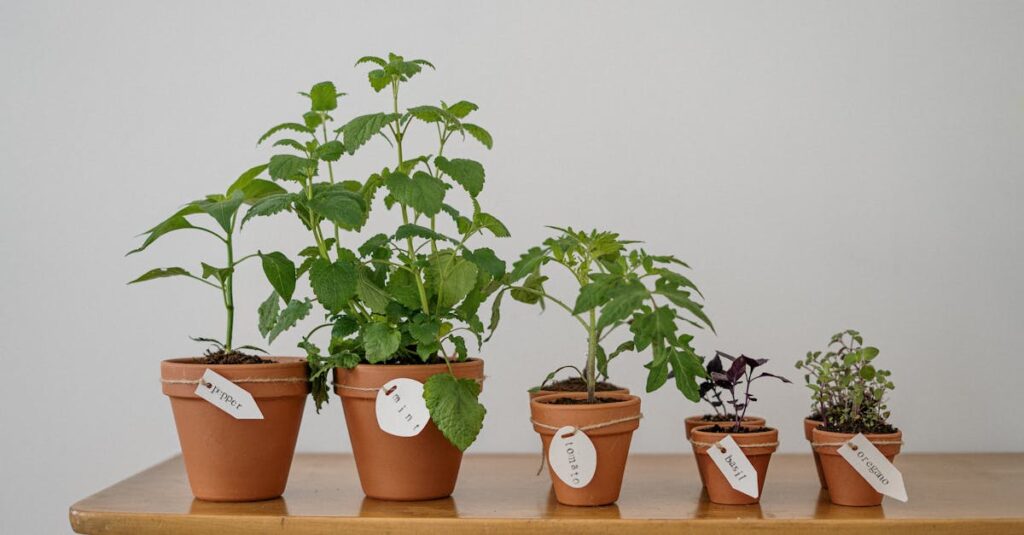
Growing your own herbs is a delightful and rewarding endeavor that brings a burst of flavor to your kitchen and a touch of beauty to your garden. Whether you’re a seasoned gardener or just starting out, cultivating herbs at home is both enjoyable and beneficial.
Why Grow Herbs at Home?
Herbs have been cherished for centuries, serving various purposes from seasoning dishes to medicinal uses. In today’s culinary world, fresh herbs elevate the taste of our meals, offering flavors that dried versions simply can’t match. Beyond their culinary appeal, many herbs are also ornamental, adding aesthetic value to gardens and indoor spaces.
Choosing the Perfect Spot
Most herbs thrive in sunny locations, requiring about six to eight hours of sunlight daily. While a few, like angelica and sweet cicely, prefer partial shade, the majority develop their best flavors under full sun. If you’re limited on space, don’t worry! Many herbs adapt well to container gardening, making them perfect for patios, balconies, or windowsills.
Soil and Drainage Essentials
Herbs aren’t overly fussy about soil but do best in well-draining conditions with a neutral pH between 6.5 and 7.0. Enhancing your soil with organic matter like compost can boost fertility and drainage. For those with less-than-ideal garden soil, raised beds or containers filled with quality potting mix offer excellent alternatives.
Planting Your Herbs
From Seeds:
Starting herbs from seeds is cost-effective and offers a wide variety. Begin seeds indoors in late winter, placing them in a sunny spot with cool temperatures around 60°F. Once the danger of frost has passed, transplant them outdoors. Some herbs like anise and dill prefer direct sowing into the garden.
From Cuttings or Division:
Perennial herbs such as mint, chives, and tarragon can be propagated through division. Others like rosemary and sage root well from cuttings taken in late spring or summer. These methods allow you to expand your herb collection or share with friends.
Caring for Your Herbs
One of the joys of herb gardening is their low-maintenance nature. They typically require minimal fertilization; in fact, overly rich soil can lead to lush foliage with diluted flavors. Regular pruning or harvesting encourages bushier growth and prevents flowering, which can cause some herbs to become bitter. While herbs are generally pest-resistant, keep an eye out for common nuisances like aphids or spider mites and address them promptly if they appear.
Harvesting and Preserving
The best time to harvest herbs is in the morning after the dew has dried but before the sun is at its peak. This timing ensures the highest concentration of essential oils, giving you the most flavorful harvest. For preservation, drying is a popular method: bundle stems together and hang them upside down in a warm, airy place away from direct sunlight. Once dried, store the leaves in airtight containers. Alternatively, freezing herbs like dill and chives can retain their fresh flavors for months.
Winter Care
Many herbs are annuals, but there are several that are perennials and can come back year after year with the right care—especially in Missouri’s Zone 6b–7a.
Perennial herbs for our zone include:
- Chives
- Mint
- Oregano
- Sage
- Thyme
- Tarragon (French)
- Lemon Balm
- Lovage
To keep these hardy herbs happy over winter:
- Apply 3–4 inches of mulch (such as straw, shredded leaves, or evergreen boughs) after the ground has frozen to insulate roots and prevent freeze-thaw damage.
- Avoid heavy mulches that trap moisture.
- Remove the mulch in early spring as new growth begins.
- For tender herbs like rosemary, bring them indoors or protect them with a cloche or cold frame.
With just a little attention, your favorite herbs can return stronger than ever each spring.
Bringing Herbs Indoors
Don’t let the changing seasons end your herb enjoyment. Many herbs adapt well to indoor growing. Place them in a south- or west-facing window where they can receive ample sunlight. Be cautious with watering; ensure pots have good drainage and allow the soil to dry out slightly between waterings to prevent root rot.
Herb gardening is one of the easiest and most satisfying ways to bring fresh flavor into your life. Whether you’re growing a pot of mint on your windowsill or creating a full backyard herb garden, you’re sure to enjoy every step—from planting to plate.
🌱 Happy Herb Growing! 🌱